Blogs
Forearm and Wrist Fractures in Children – What Parents Should Know
May 16, 2026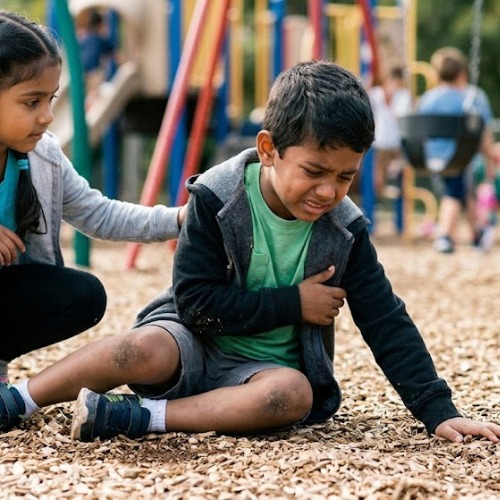
By Dr. Rohit Jain, Pediatric Orthopedic Surgeon, Kalyan, Dombivli, Thane, and Mulund
Children run, jump, climb, and explore — and sometimes, they fall. Pediatric Orthopedic Surgeon Dr. Rohit Jain often reminds parents that forearm fractures are among the most common bone injuries in children.
Most of these injuries happen when a child falls on an outstretched hand. Wrist and elbow fractures are also common because children instinctively stretch their hands to protect themselves.
How to Know if Your Child Has Had a Fracture?
Parents often wonder whether it is just a sprain or something more serious.
- 1. Persistent Pain
Pain that does not settle after some time. - 2. Swelling
Swelling around the wrist, forearm, or elbow. - 3. Difficulty Moving
The child refuses to move the arm. - 4. Visible Deformity
In severe cases, the arm may appear bent or misshapen.
Why Early Diagnosis Matters
If you notice any of these signs, it’s best to get your child examined early.
- • Proper Bone Alignment
- • Faster Healing
- • Prevention of Long-Term Stiffness or Deformity
Dr. Rohit Jain, known as a bone specialist for children in Thane and Kalyan, is highly sought for his gentle and child-friendly approach, making treatment less stressful for both children and parents.
He also guides families on creating safer play environments to help reduce future injuries.
FAQs About Forearm and Wrist Fractures
-
1. Should I apply ice if I suspect a fracture?
Yes, gentle icing can reduce swelling until you reach the doctor. -
2. Can a child’s fracture heal without a cast?
Some minor fractures can heal without a cast, but only a specialist can confirm after an X-ray. -
3. How long does a child’s forearm fracture take to heal?
Most heal within 4–6 weeks depending on the type and severity of the fracture.
Clicks and Pops in Newborn Joints – When Are They Normal?
May 9, 2026By Dr. Rohit Jain, Pediatric Orthopedic Specialist, Kalyan, Thane & Dombivli
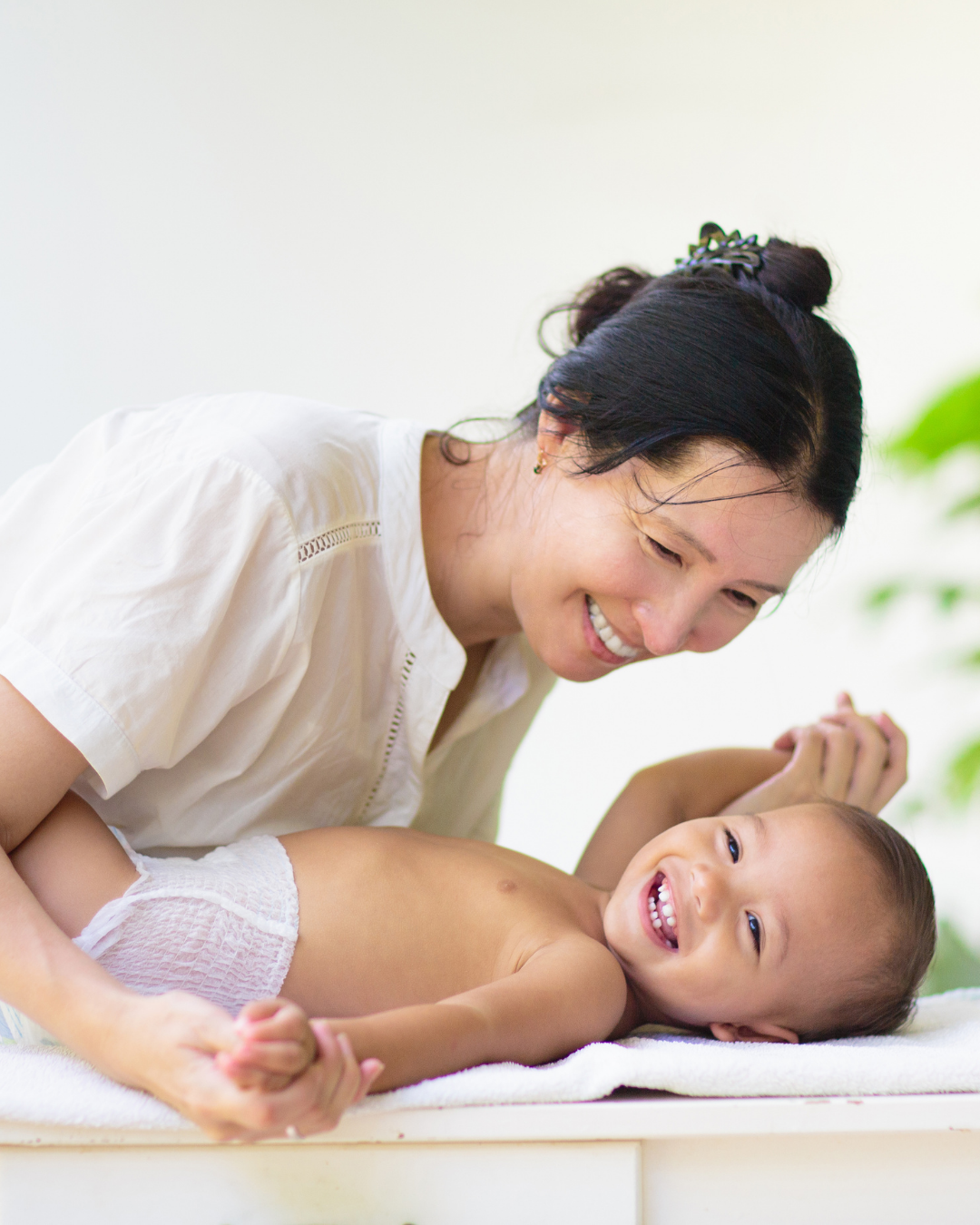
Pediatric Orthopedic Surgeon Dr. Rohit Jain often meets parents who become worried after hearing clicking or popping sounds from their newborn’s joints.
These sounds can come from tiny shoulders, hips, knees, or ankles and may seem alarming, especially in very young babies.
Parents frequently ask: “Is this clicking normal, or does my baby have a joint problem?”
Why Clicking Sounds Happen in Newborns
In most babies, these sounds are completely harmless and happen because newborn joints are still developing.
During early infancy:
- Ligaments are naturally loose
- Cartilage is soft and flexible
- Bones are still forming
- Joint movements are highly mobile
These normal developmental changes can create harmless clicking or popping sounds during movement.
Signs Parents Should Not Ignore
While most joint sounds are normal, certain symptoms should be evaluated by a pediatric orthopedic specialist.
- Clicking that causes pain or crying
- One leg moving less than the other
- Difficulty opening the hips during diaper changes
- Stiffness around a joint
- Visible swelling
Conditions That May Need Early Attention
Some babies may have conditions such as hip instability or developmental dysplasia of the hip (DDH), where early diagnosis is important for healthy joint development.
A gentle orthopedic examination helps determine whether the clicking is simply developmental or requires further evaluation.
Why Early Evaluation Matters
Early detection of joint problems allows timely treatment and helps ensure proper bone and joint growth as the child develops.
Dr. Rohit Jain provides precise assessment and child-friendly orthopedic care to support safe and healthy joint development in newborns and children.
FAQs
-
1. Are clicking joints normal in newborns?
Yes, in most cases they are completely normal and related to developing joints and soft tissues. -
2. When should I worry about joint clicking?
If the clicking is associated with pain, limited movement, stiffness, swelling, or asymmetry, medical evaluation is recommended. -
3. Can newborn joint clicking indicate hip problems?
Sometimes. Conditions like developmental dysplasia of the hip may present with hip clicking and should be checked early.
Most newborn joint sounds are harmless, but expert evaluation can provide reassurance and help identify conditions that may benefit from early treatment.
Common Congenital Orthopedic Conditions – Early Diagnosis Makes a Big Difference
April 28, 2026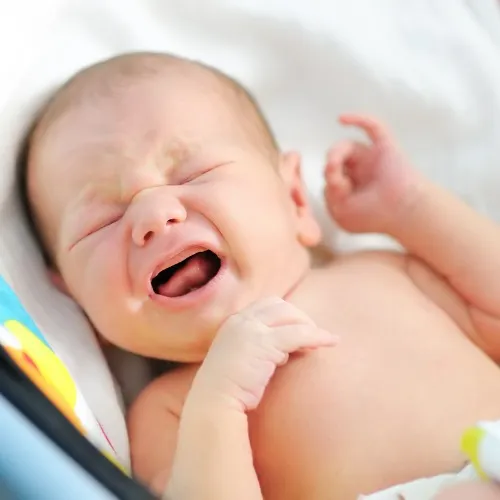
By Dr. Rohit Jain, Pediatric Orthopedic Surgeon, Kalyan, Dombivli, Thane, and Mulund
Some orthopedic conditions are present from birth. Pediatric Orthopedic Surgeon Dr. Rohit Jain helps parents understand these conditions early so children can receive timely care.
Common Congenital Orthopedic Conditions
- 1. Clubfoot
One or both feet are twisted out of shape at birth. - 2. Developmental Dysplasia of the Hip (DDH)
The hip joint is not fully formed, causing instability. - 3. Metatarsus Adductus
The front of the foot curves inward. - 4. Osteogenesis Imperfecta (OI)
A genetic condition where bones are fragile and break easily. - 5. Congenital Limb Defects
Limbs may be shorter, missing, or shaped differently. - 6. Spine Deformities
Conditions like scoliosis or kyphosis where the spine curves abnormally.
When Should Parents Seek Help?
Any unusual posture, stiffness, or asymmetry should be checked early.
Dr. Rohit Jain emphasizes that timely diagnosis greatly improves long-term outcomes.
His experience in managing congenital orthopedic conditions helps parents feel supported and confident about their child’s treatment journey.
FAQs About Congenital Orthopedic Conditions
-
1. Can congenital orthopedic conditions be treated fully?
Many can be corrected or significantly improved with early care. -
2. How early should screening be done?
Ideally within the first few weeks of life. -
3. Are these conditions painful for babies?
Not always, but they can affect movement and development if untreated.
Growth Plate Injuries – Why Early Care Protects Future Bone Growth
April 21, 2026By Dr. Rohit Jain, Pediatric Orthopedic Specialist, Kalyan, Dombivli, Thane & Mulund
Growth plates are the soft, developing areas at the ends of long bones in children. Because they are the last parts of bones to harden, they are more vulnerable to injury during childhood and adolescence.
Pediatric Orthopedic Surgeon Dr. Rohit Jain regularly treats growth plate fractures and helps parents recognize the warning signs early to protect future bone growth.
Why Growth Plate Injuries Happen
These injuries commonly occur due to:
- Falls
- Sports injuries
- Accidents
- Repetitive stress in young athletes
Since growth plates are weaker than fully developed bone, even minor injuries can sometimes affect them.
Symptoms Parents Should Watch For
- Pain near a joint
- Swelling
- Warmth or tenderness
- Difficulty moving the limb
If these signs appear after an injury, prompt medical evaluation is important.
How Growth Plate Injuries Are Diagnosed
Growth plates do not always show clearly on X-rays. In some cases, MRI or CT scans may be recommended for accurate confirmation.
Treatment Options
Most growth plate injuries heal well with simple treatment such as:
- Casts
- Splints
More serious injuries may require surgical alignment to help protect future bone development.
Why Early Treatment Matters
Untreated growth plate injuries can lead to:
- Limb length differences
- Angular deformities
Dr. Rohit Jain’s expertise ensures timely diagnosis and proper treatment to support your child’s long-term bone health.
FAQs
-
1. Can growth plate injuries affect height?
If left untreated, they can. Early care greatly reduces this risk. -
2. How long does healing take?
Most injuries heal within a few weeks, depending on severity and location. -
3. Should my child stop sports after a growth plate injury?
Usually temporarily. Your doctor will guide a safe return to activities.
Early diagnosis and expert treatment can make a major difference in protecting your child’s future bone growth and mobility.
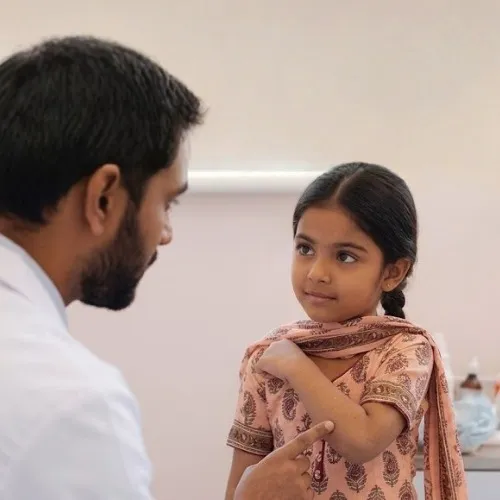
Forearm and Wrist Fractures in Children – What Parents Should Know
April 14, 2026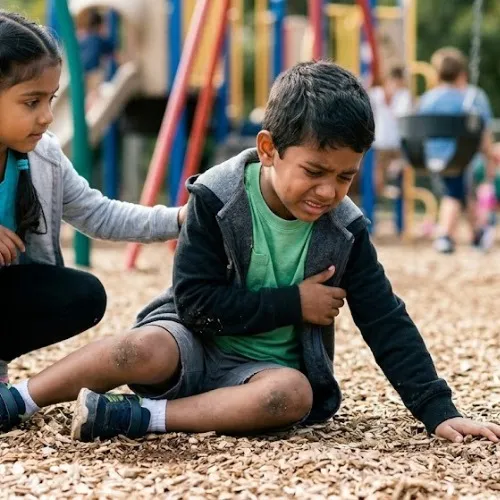
By Dr. Rohit Jain, Pediatric Orthopedic Surgeon, Kalyan, Dombivli, Thane, and Mulund
Children run, jump, climb, and explore — and sometimes, they fall. Pediatric Orthopedic Surgeon Dr. Rohit Jain often reminds parents that forearm fractures are the most common bone injuries in children.
Most of these injuries happen when a child falls on an outstretched hand. Wrist and elbow fractures are also common because children instinctively stretch their hands to protect themselves.
Common Causes of Forearm and Wrist Fractures
- Falls while playing or running
- Sports related injuries
- Accidental slips at home or school
- High impact injuries during outdoor activities
How to Know if Your Child Has a Fracture
Parents often wonder whether it is just a sprain or something more serious. Here are some signs to watch for:
- Pain that does not settle
- Swelling around the wrist, forearm, or elbow
- Refusal to move the arm
- Visible bending or deformity in severe cases
If you notice these symptoms, it is important to get your child examined early.
Why Early Diagnosis Matters
- Ensures proper bone alignment
- Supports faster healing
- Prevents long term stiffness or deformity
Early treatment helps children recover quickly and return to their normal activities without complications.
Treatment Options
- Immobilization using a cast or splint
- Pain management and rest
- Regular follow up to monitor healing
- Surgery in rare or severe cases
Treatment depends on the severity and type of fracture, but most children heal well with proper care.
FAQs About Forearm and Wrist Fractures
-
1. Should I apply ice if I suspect a fracture?
Yes, gentle icing can help reduce swelling until you reach the doctor. -
2. Can a child’s fracture heal without a cast?
Some minor fractures can heal without a cast, but only a specialist can confirm this after an X ray. -
3. How long does a child’s forearm fracture take to heal?
Most fractures heal within 4–6 weeks, depending on the type and severity.
Newborn Clavicle Fractures – Early Signs Every Parent Should Know
April 07, 2026By Dr. Rohit Jain, Pediatric Orthopedic Specialist, Kalyan, Dombivli, Thane & Mulund
New parents often expect the first few days after birth to be filled only with cuddles and calm moments. But sometimes, unexpected concerns show up — especially when a baby seems uncomfortable or cries more than usual.
Pediatric Orthopedic Surgeon Dr. Rohit Jain frequently meets parents who notice subtle signs of injury soon after delivery. One of the most common birth-related injuries is a newborn clavicle fracture, also known as a collarbone fracture.
Why Clavicle Fractures Happen
During delivery, the baby’s shoulders may get stuck for a moment. This pressure can cause a small crack in the collarbone. It can happen even during a normal delivery, especially if:
- The baby is larger than average
- The position during birth is tight
- Forceps or vacuum assistance is used
While it may sound concerning, the good news is that babies heal beautifully with the right care.
Early Signs Parents Should Watch For
These signs are often subtle but important:
- Your baby cries more when lifted
- One arm doesn’t move as freely as the other
- The baby keeps one arm still while the other moves normally
Parents often ask, “How do I know if my newborn has a fracture?” The answer is simple — early evaluation makes all the difference.
Why Early Diagnosis Matters
- Ensures gentle and accurate diagnosis
- Provides proper support for healing
- Reduces discomfort for the baby
- Prevents long-term complications
Early consultation with a pediatric orthopedic specialist helps ensure safe recovery and peace of mind for parents.
FAQs
-
1. Is a newborn clavicle fracture serious?
Most clavicle fractures heal very well with simple care. Early diagnosis is key. -
2. How long does it take for a newborn’s collarbone to heal?
Usually within 2–3 weeks, as babies heal faster than adults. -
3. Should I avoid lifting my baby?
You can lift your baby gently. Your doctor will guide you on the safest positions.
With timely care and expert guidance, newborns recover quickly and comfortably. If you notice any unusual signs, don’t hesitate to seek medical advice early.
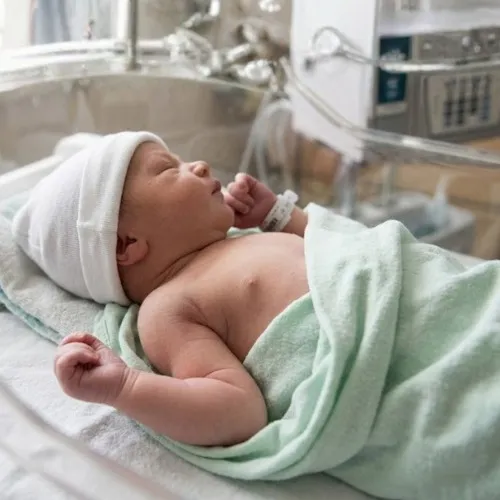
Is Your Child Limping? Don’t Ignore the Signs — Early Orthopedic Care Prevents Long Term Problems
March 20, 2026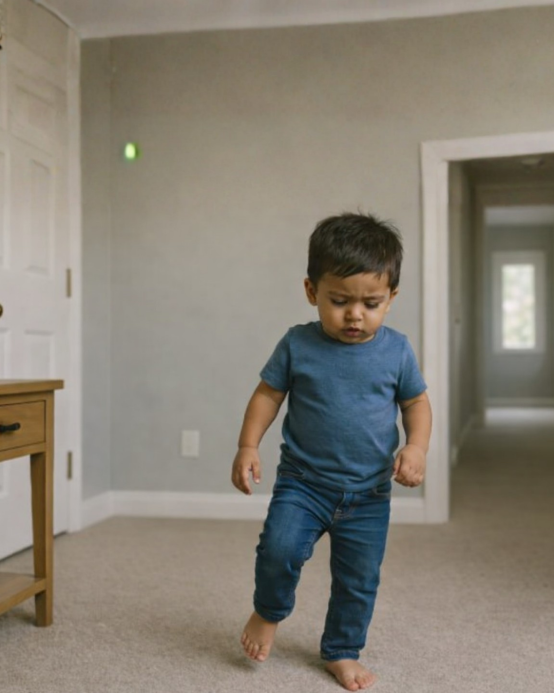
By Dr. Rohit Jain, Pediatric Orthopedic Surgeon, Kalyan, Dombivli, and Thane
A limp in a child is never something to overlook. While it may seem like a minor injury or a passing phase, persistent limping can be an early sign of an underlying orthopedic issue. Dr. Rohit Jain, a pediatric bone and joint specialist in Kalyan, Dombivli and Thane explains why timely evaluation is essential for growing children.
Why Children Limp: Common Causes
Limping can occur for many reasons, ranging from simple to serious. Some of the most common include:
- Minor injuries such as sprains, muscle strain, or a small fall
- Infections in the hip or knee that cause pain and swelling
- Inflammatory conditions like juvenile arthritis
- Hip disorders such as transient synovitis or Perthes disease
- Fractures that may not always be obvious
- Foot problems like flat feet or ingrown toenails
Because children may not always express pain clearly, a limp is often the first visible sign that something is wrong.
When Should Parents Be Concerned?
A limp needs medical attention when it:
- Lasts more than a few days
- Is associated with pain, swelling, or redness
- Comes with fever, which may indicate infection
- Causes the child to refuse to walk or bear weight
- Follows a fall or injury
- Appears suddenly without any clear reason
These symptoms may point to conditions that require urgent orthopedic care.
How Pediatric Orthopedic Specialists Diagnose Limping
- A detailed physical examination
- X rays or ultrasound if needed
- Blood tests when infection or inflammation is suspected
- Gait analysis to understand walking patterns
The goal is to identify the root cause early and prevent long term complications.
Treatment Options Based on the Cause
- Minor injuries — rest, ice, and temporary activity restriction
- Infections — antibiotics and sometimes drainage
- Inflammatory conditions — medicines and physiotherapy
- Hip disorders — observation, bracing, or surgery depending on severity
- Fractures — casting or surgical correction
Early treatment ensures proper healing and prevents permanent joint or bone problems.
Why Choose a Pediatric Orthopedic Doctor?
- Understands growth related bone and joint conditions
- Uses child friendly diagnostic methods
- Provides treatments tailored to developing bones
- Helps prevent deformities and long term disability
Early diagnosis is the key to protecting your child’s mobility and comfort.
FAQs About Limping in Children
-
1. Is limping always a sign of something serious?
Not always. Minor injuries can cause limping, but persistent or painful limping should be evaluated by a specialist. -
2. Should I wait a few days before seeing a doctor?
If the limp lasts more than 2–3 days or is accompanied by pain, fever, or swelling, early medical evaluation is important. -
3. Can limping be a sign of infection?
Yes. Joint infections can cause sudden limping and require urgent treatment. -
4. What if my child refuses to walk?
Refusal to walk is a red flag and should be checked by a pediatric orthopedic surgeon immediately. -
5. Can untreated limping cause long term problems?
Yes. Delayed treatment can lead to joint damage, deformities, or chronic pain.
Cerebral Palsy Affects Movement, Not Potential
March 01, 2026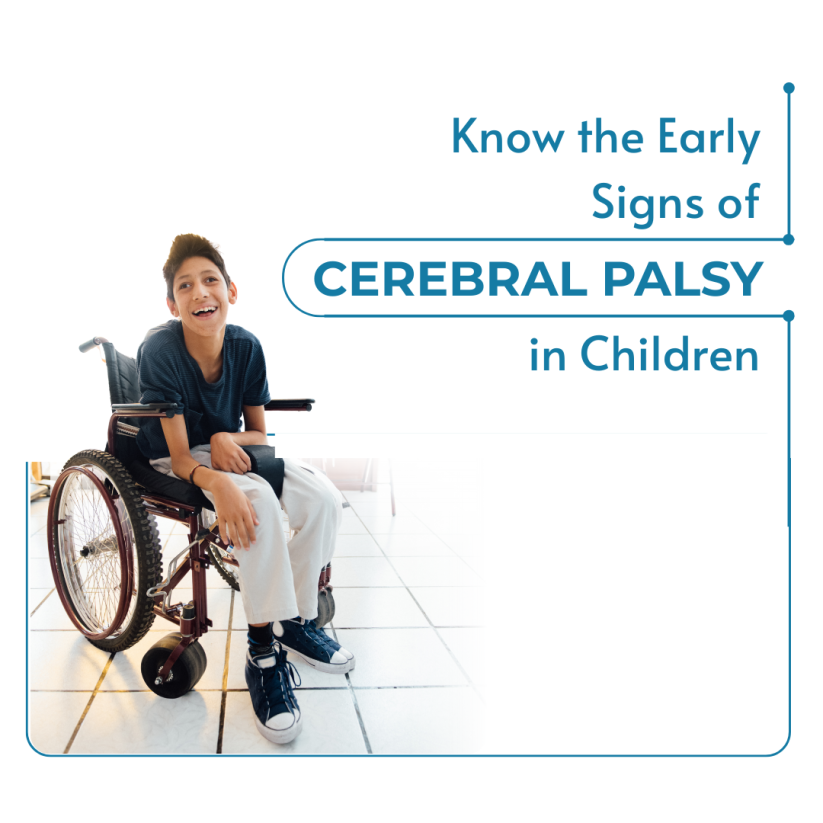
National Cerebral Palsy Awareness Month – March
By Dr. Rohit Jain, Pediatric Orthopedic Specialist, Kalyan, Dombivli, and Thane
Cerebral palsy (CP) may affect a child’s movement, balance, and muscle control — but it does not limit their intelligence, dreams, or potential. March is National Cerebral Palsy Awareness Month, a time to understand CP better and ensure every child receives the specialized care they deserve. Dr. Rohit Jain, a pediatric orthopedic surgeon in Kalyan, highlights how early orthopedic support can transform mobility and quality of life for children with CP.
What Is Cerebral Palsy?
Cerebral palsy is a group of neurological disorders caused by injury to the developing brain, usually before or shortly after birth. It affects muscle tone, posture, and movement. The condition is lifelong, but with the right care, children can achieve remarkable progress.
Common Symptoms of CP
- Stiff or tight muscles (spasticity)
- Involuntary or jerky movements
- Difficulty with balance and coordination
- Delayed motor milestones
- Challenges with walking or posture
Symptoms vary widely — some children may have mild stiffness, while others may need long-term mobility support.
Why Pediatric Orthopedic Care Matters in CP
Children with cerebral palsy often develop musculoskeletal issues as they grow. A pediatric orthopedic surgeon plays a key role in:
- Identifying bone and joint problems early
- Managing muscle tightness and deformities
- Improving walking patterns and posture
- Preventing long-term complications
- Supporting independence and mobility
Orthopedic care is not just about treating bones — it’s about helping children move with comfort and confidence.
Treatment Options That Improve Mobility
Every child with CP is unique, so treatment plans are customized based on their needs. Pediatric orthopedic specialists may recommend:
- Physiotherapy to improve strength, flexibility, and balance
- Braces or orthotic devices to support proper alignment
- Botulinum toxin injections to reduce muscle stiffness (as advised by specialists)
- Surgical procedures to correct deformities or improve joint function
Early intervention helps prevent worsening deformities and supports better long-term outcomes.
Why Early Consultation Makes a Difference
- Detect joint stiffness or deformities early
- Prevent walking difficulties
- Reduce pain and improve comfort
- Support better mobility and independence
- Enhance overall quality of life
Timely care ensures children can participate in school, play, and daily activities with greater ease.
FAQs About Cerebral Palsy and Orthopedic Care
-
1. Is cerebral palsy curable?
CP is not curable, but its symptoms can be managed effectively with early and consistent treatment. -
2. Why do children with CP need an orthopedic surgeon?
Orthopedic specialists address bone, joint, and muscle issues that commonly occur in CP, helping improve mobility and prevent deformities. -
3. Can physiotherapy alone help?
Physiotherapy is essential, but many children also benefit from braces, medications, or surgery depending on their condition. -
4. When should parents seek orthopedic evaluation?
If a child shows stiffness, difficulty walking, or delayed motor milestones, an early orthopedic assessment is helpful. -
5. Do children with CP always need surgery?
Not always. Surgery is recommended only when it can significantly improve mobility or prevent long-term complications.
Supporting children with cerebral palsy begins with awareness and timely care. Dr. Rohit Jain encourages families to seek early orthopedic guidance so every child can move, grow, and thrive with confidence.
Extra Weight, Extra Stress on Tiny Joints — Let’s Break the Cycle Early
March 20, 2026
World Obesity Day – March 4
By Dr. Rohit Jain, Pediatric Orthopedic Doctor, Kalyan, Dombivli, and Thane
Childhood should be full of running, playing, and growing — not joint pain, stiffness, or early bone problems. On World Obesity Day, Dr. Rohit Jain highlights how excess weight in children directly affects their bones and joints, and why early action can protect them from lifelong orthopedic issues.
Understanding Childhood Obesity and Its Impact on Bones
Childhood obesity is more than “baby fat.” It is a medical condition where excess body fat affects a child’s health, growth, and mobility. The rise in obesity among Indian children has become a serious concern.
- India had 12.5 million overweight children aged 5–19 years in 2022 (Source: UNICEF).
- Childhood obesity is increasing faster in India than in many other Asian countries.
- Excess weight is now one of the leading causes of early joint problems in children.
When a child carries extra weight, their bones — which are still soft and developing — struggle to support the load. This leads to pain, deformities, and long-term orthopedic complications.
How Excess Weight Affects a Child’s Musculoskeletal System
Extra weight puts pressure on growing bones and joints, leading to:
- Joint Pain: Knees, hips, and ankles bear more load than they are designed for.
- Early Arthritis: Wear and tear begin much earlier than expected.
- Slipped Capital Femoral Epiphysis (SCFE): A serious hip condition where the thigh bone slips out of place.
- Blount’s Disease: Bowing of the legs due to pressure on the growth plates.
- Higher Risk of Fractures: Bones may be weaker and more prone to injury.
- Slower Recovery: Obesity can complicate treatment and delay healing.
These conditions can limit a child’s ability to walk, run, or play — affecting both physical and emotional well being.
Why Childhood Obesity Happens: The Vicious Cycle
Several lifestyle factors contribute to weight gain in children:
- Overeating junk food high in sugar, salt, and unhealthy fats
- Lack of outdoor play and reduced physical activity
- Increased screen time leading to sedentary habits
- Irregular sleep patterns affecting metabolism
Once a child becomes overweight, movement becomes harder. They avoid physical activity because of pain or fatigue, which leads to more weight gain — creating a cycle that becomes difficult to break.
How Pediatric Orthopedic Specialists Help
- Identifying early signs of bone and joint stress
- Diagnosing obesity related orthopedic conditions
- Recommending safe activity plans
- Treating deformities like SCFE and Blount’s disease
- Guiding long term bone health and growth
Early evaluation ensures that bone deformities are caught before they worsen.
Simple Steps to Protect Your Child’s Bone Health
Parents can help break the cycle by encouraging:
- Daily physical activity — walking, cycling, outdoor play
- Balanced meals — more fruits, vegetables, and home cooked food
- Reduced screen time
- Regular sleep routines
- Early orthopedic check ups if the child complains of pain or limping
Small changes today can prevent major orthopedic problems tomorrow.
FAQs on Childhood Obesity and Bone Health
-
1. Can obesity really cause bone deformities in children?
Yes. Excess weight puts pressure on soft, growing bones, leading to conditions like SCFE and Blount’s disease. -
2. Is joint pain normal in overweight children?
Joint pain is common but not normal. It is a sign that the bones and joints are under stress and need medical evaluation. -
3. Can these conditions be treated without surgery?
Some conditions improve with weight management, physiotherapy, and bracing. Severe cases like SCFE may require surgery. -
4. How early should parents intervene?
As early as possible. Early lifestyle changes and orthopedic screening can prevent long term damage. -
5. Does obesity affect recovery from fractures?
Yes. Overweight children may take longer to heal and may face complications during treatment.
Helping children stay active, healthy, and pain free begins with awareness and early action. Dr. Rohit Jain encourages families to take small steps today to ensure stronger bones and a healthier future for every child.
Birth Defects Are Treatable — Give Your Child the Best Start in Life
March 03, 2026
World Birth Defects Day – March 3
By Dr. Rohit Jain, Pediatric Orthopedic Surgeon, Kalyan, Dombivli, and Thane
Birth defects can be frightening for new parents, but most orthopedic conditions in newborns are treatable with timely medical care. Early diagnosis gives children the chance to grow, walk, play, and live without limitations. Dr. Rohit Jain, a trusted pediatric orthopedic specialist in Kalyan, focuses on helping children overcome bone and joint conditions from birth.
What Are Orthopedic Birth Defects?
Orthopedic birth defects affect a baby’s bones, joints, or muscles. Some are visible immediately after birth, while others become noticeable as the child begins to move, crawl, or walk.
Common Orthopedic Conditions in Newborns
- Clubfoot (CTEV): Feet turn inward; highly correctable with the Ponseti method.
- Developmental Dysplasia of the Hip (DDH): Hip joint is unstable or dislocated.
- Metatarsus Adductus: Curved or inward turned foot.
- Spinal Deformities: Early scoliosis or kyphosis.
- Osteogenesis Imperfecta: Brittle bones leading to repeated fractures.
- Muscular Dystrophy: Genetic muscle weakness affecting movement.
These conditions vary in severity, but early treatment leads to excellent long-term results.
Why Early Detection Makes a Big Difference
If left untreated, orthopedic birth defects may lead to:
- Difficulty walking
- Chronic pain
- Bone deformities
- Early arthritis
- Reduced mobility in adulthood
Early treatment helps ensure:
- Normal bone and joint development
- Better posture and gait
- Stronger muscles
- Improved confidence and independence
The Indian Reality: Why Awareness Matters
- India records around 26 million births every year.
- Congenital anomalies contribute to nearly 150,000 disability survivors per birth cohort.
- India accounts for 6% of all congenital disabilities globally (Source: ICMR).
These numbers highlight the importance of timely orthopedic evaluation for newborns.
How do Pediatric Orthopedic Doctors Help
- Accurate diagnosis using child friendly assessments
- Non surgical treatments like casting, bracing, and physiotherapy
- Safe, minimally invasive surgeries when required
- Long term monitoring to ensure healthy growth
Is Surgery Safe for Newborns?
- Safe, with advanced anesthesia protocols
- Precise, using child specific instruments
- Effective, preventing long term disability
When surgery is recommended, it is because it offers the best chance for normal growth and function.
When Should Parents Visit a Doctor?
Consult a bone specialist for children if you notice:
- Uneven leg length
- Feet that curve inward or outward
- Delayed walking
- Stiff joints
- Abnormal posture or spine curvature
- Frequent fractures
Early evaluation can prevent complications later in life.
FAQs About Orthopedic Birth Defects in Newborns
-
1. Are birth defects permanent?
Most orthopedic birth defects are treatable, especially when diagnosed early. Many children go on to live completely normal lives. -
2. Can clubfoot be corrected without surgery?
Yes. The Ponseti method (casting + bracing) corrects clubfoot in most babies without surgery. -
3. Is hip dysplasia painful for babies?
Not usually. But untreated DDH can cause pain, limping, and arthritis later in life. -
4. How early should a newborn be screened?
A newborn should ideally be screened within the first few weeks of life, especially if there is a family history of orthopedic conditions. -
5. Is surgery safe for infants?
Yes. Pediatric orthopedic surgeries are performed with specialized anesthesia and equipment designed for infants. -
6. Can these conditions return after treatment?
Some conditions require long term monitoring to ensure they do not recur. Regular follow ups help maintain results.
Severe Elbow Pain After a Fall? Swelling, Deformity, or Difficulty Moving? Get It Checked by a Pediatric Orthopedic Doctor!
February 10, 2026Children are naturally active, and falls are common, often resulting in elbow injuries. Knowing when to seek medical help is crucial for ensuring proper healing and preventing complications. Dr. Rohit Jain at Myra Superspeciality Clinic, the best orthopedic clinic for children in Kalyan West, shares signs that indicate your little champ may have an elbow fracture that needs a doctor’s attention.
If your child experiences severe pain or swelling in the elbow, consult your child's doctor immediately. An obvious deformity or misshapen appearance of the elbow is another red flag that requires prompt medical attention. Difficulty moving the arm or experiencing weakness or numbness in the elbow, arm, or hand may indicate a serious injury that needs professional evaluation.
Other warning signs include bruising, warmth, or redness around the elbow. If pain persists or worsens, it’s essential to contact a pediatric orthopedic doctor to assess the injury and determine the right treatment plan. Early intervention can prevent long-term issues and ensure your child’s quick recovery.
FAQs: Elbow Injuries in Children
- 1. How do I know if my child has an elbow fracture?
Severe pain, swelling, deformity, or refusal to move the arm are key signs. A pediatric orthopedic evaluation — such as with Dr. Rohit Jain — confirms the diagnosis through clinical examination and X-rays. - 2. Should I try to straighten my child’s elbow if it looks bent?
No. Attempting to straighten the elbow can worsen the injury. Leave alignment to a specialist. - 3. When should I take my child to a pediatric orthopedic doctor?
Immediately, if there is swelling, deformity, severe pain, or difficulty moving the arm. Early assessment by experts like Dr. Rohit Jain ensures proper healing. - 4. Can elbow fractures heal on their own?
Most require a cast, splint, or specific treatment plan. Untreated fractures can lead to long-term stiffness or deformity. - 5. How long does recovery take?
Typically, 4–6 weeks, depending on the fracture type and the child’s age. - 6. What if my child feels numbness or tingling?
This may indicate nerve involvement and needs urgent evaluation. - 7. Can my child go to school with an elbow cast?
Yes, but avoid sports, running, or activities that risk another fall. - 8. What if swelling increases after the cast is applied?
Elevate the arm and contact your doctor immediately.
Timely care from a pediatric orthopedic specialist ensures that your child’s elbow heals correctly and regains full function — helping them get back to play and daily activities without long-term effects.
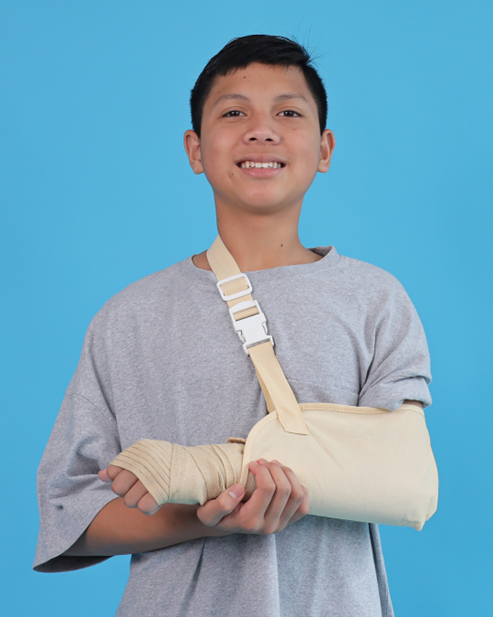
Wrist Injury After a Fall? Support, Elevate, and Apply Ice to Ease the Pain — Act Fast and Get It Checked by a Pediatric Orthopedic Doctor!
February 02, 2026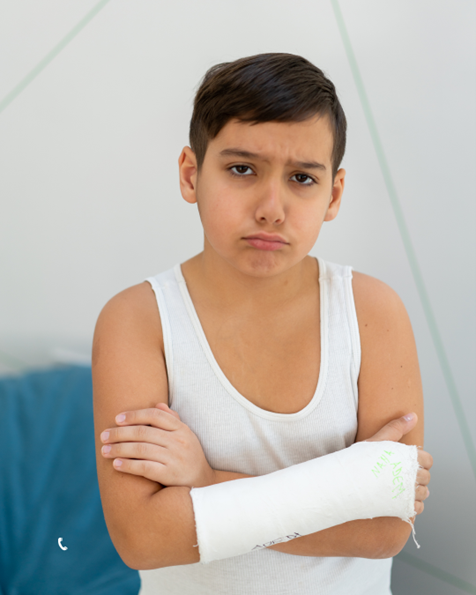
Children love to play and explore, often leading to falls and injuries. One of the most common injuries they can sustain is a wrist fracture. When this happens, it’s important to act quickly and calmly. Dr. Rohit Jain, the best child bone specialist at Myra Superspeciality Clinic, Kalyan, provides guidance on what to do immediately after a wrist fracture.
- Keep Your Child Calm: Try to keep your child calm and still.
- Immobilize the Wrist: Use a splint or a makeshift support like a folded magazine or a piece of cardboard.
- Apply Ice: Use an ice pack on the injured area for 10–20 minutes to reduce swelling and numb the pain. Ensure the ice pack is wrapped in a cloth.
- Elevate the Wrist: Keep the wrist elevated above your child's heart using pillows to minimize swelling.
- Pain Relief: You can give medicines for pain relief (always consult with your doctor before giving any medication).
- Visit Doctor’s Clinic: Contact a pediatric orthopedic doctor for professional evaluation and treatment.
Following the doctor’s instructions meticulously—such as keeping the cast dry and attending follow-up appointments—can help your child recover faster.
FAQs: Wrist Injuries in Children
- 1. How do I know if my child has a wrist fracture?
Look for swelling, pain, refusal to use the hand, or tenderness. An X-ray at a pediatric orthopedic clinic like Dr. Rohit Jain’s confirms the diagnosis. - 2. Should I try to straighten the wrist if it looks bent?
No. Leave alignment to specialists to avoid further injury. - 3. Can a wrist fracture heal without a cast?
Most need a cast or splint. Minor buckle fractures may need only a splint, as assessed by Dr. Rohit Jain. - 4. How long does healing take?
Typically, 3–6 weeks depending on the fracture type and age. - 5. Are growth plate injuries serious?
Yes. They require expert pediatric orthopedic care to prevent long-term deformity. - 6. When should I take my child to the doctor?
Immediately after a fall with wrist pain, swelling, or limited movement. - 7. Can my child attend school with a cast?
Yes, but avoid sports or rough play. - 8. What if swelling increases after the cast is applied?
Elevate the hand and contact your doctor promptly.
Healthy Weight, Healthy Bones: Protect Growing Joints
January 18–24, 2026Healthy Weight Week reminds us that maintaining the right weight is essential for strong bones, healthy joints, and proper growth in children.
Dr. Rohit Jain, Pediatric Orthopedic Specialist, explains that both underweight and overweight children are at risk of orthopedic issues. Underweight children may have weak bones, delayed milestones, and a higher risk of fractures. Excess weight puts pressure on growing joints, causing knee pain, flat feet, posture problems, and joint stress.
According to the Indian Academy of Pediatrics, over 40% of urban Indian children have low vitamin D levels, and rising childhood obesity is linked to increased screen time and reduced outdoor activity.
Healthy bone development depends on:
- Balanced nutrition
- Adequate calcium and vitamin D
- Regular physical activity and outdoor play
Parents in Kalyan, Thane, Dombivli, Mulund, Mumbra, and Kalwa can seek early orthopedic guidance from Dr. Rohit Jain to prevent long-term joint and posture problems.
Healthy weight means healthy bones. This Healthy Weight Week, take steps to protect your child’s growth, movement, and confidence.
Polydactyly and Syndactyly in Children: Treatable Conditions with Early Orthopedic Care
January 21, 2025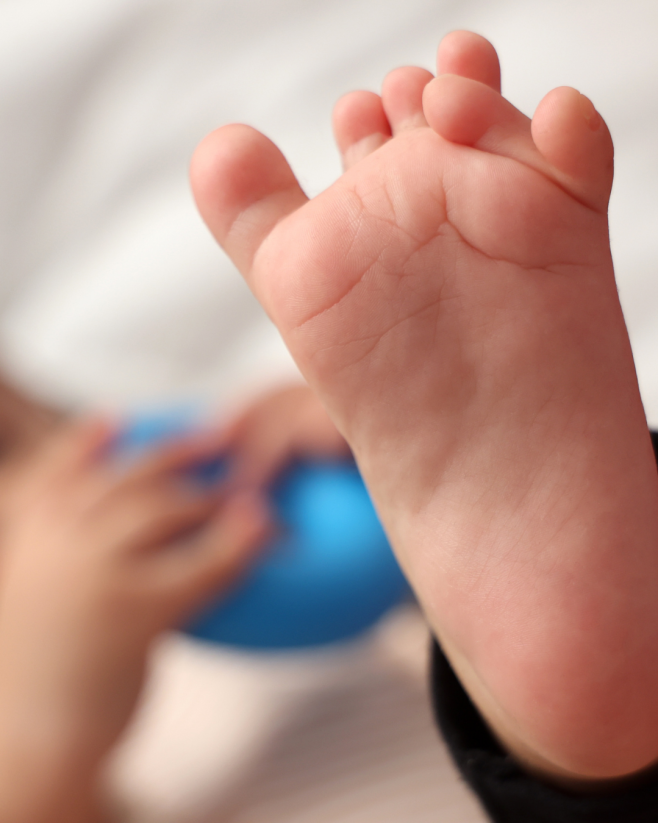
Some children are born with extra fingers or toes (polydactyly) or fused digits (syndactyly). Although these conditions may worry parents, they are among the most common and treatable congenital hand and foot differences.
Dr. Rohit Jain, Orthopedic Surgeon for Children, reassures parents that these conditions are not caused by anything done during pregnancy. They occur due to natural variations in tissue development inside the womb.
With timely evaluation and treatment:
- Extra digits can be safely removed
- Fused fingers or toes can be separated surgically
- Normal grip strength, hand function, balance, and mobility can be restored
Early intervention supports proper bone growth and fine motor development. Delaying treatment may affect writing skills, walking patterns, or even footwear comfort.
Parents in Kalyan, Thane, Dombivli, Mulund, Mumbra, and Kalwa can consult Dr. Rohit Jain for expert evaluation and treatment.
With awareness and timely orthopedic care, children can grow up healthy, confident, and active.
Developmental Dysplasia of the Hip (DDH): Early Treatment Ensures Strong, Healthy Steps
January 14, 2025A healthy hip joint fits securely like a ball in a socket. In some newborns, the hip socket is shallow or unstable—a condition known as Developmental Dysplasia of the Hip (DDH).
Dr. Rohit Jain, Pediatric Orthopedic Surgeon, explains that DDH is one of the most important birth conditions to diagnose early. If untreated, it can lead to limping, hip pain, walking difficulties, and early arthritis.
Many parents believe their baby will “grow out of it,” but DDH rarely resolves on its own. Early treatment offers the best results. In infants, simple bracing can help the hip develop normally. Delayed diagnosis may require complex surgery.
Warning signs parents should watch for:
- Uneven thigh or skin folds
- One leg appearing shorter
- Difficulty spreading the baby’s legs during diaper changes
Babies born in breech position or with a family history of hip problems should undergo early screening through physical examination or ultrasound.
Parents in Kalyan, Thane, Dombivli, Mulund, Mumbra, and Kalwa can consult Dr. Rohit Jain for accurate diagnosis and early DDH treatment.
Awareness protects mobility. Early care ensures strong, pain free steps for your child.
Birth Defects Are Not Destiny: Early Orthopedic Care Helps Children Walk, Run, and Grow Healthy
January 7, 2025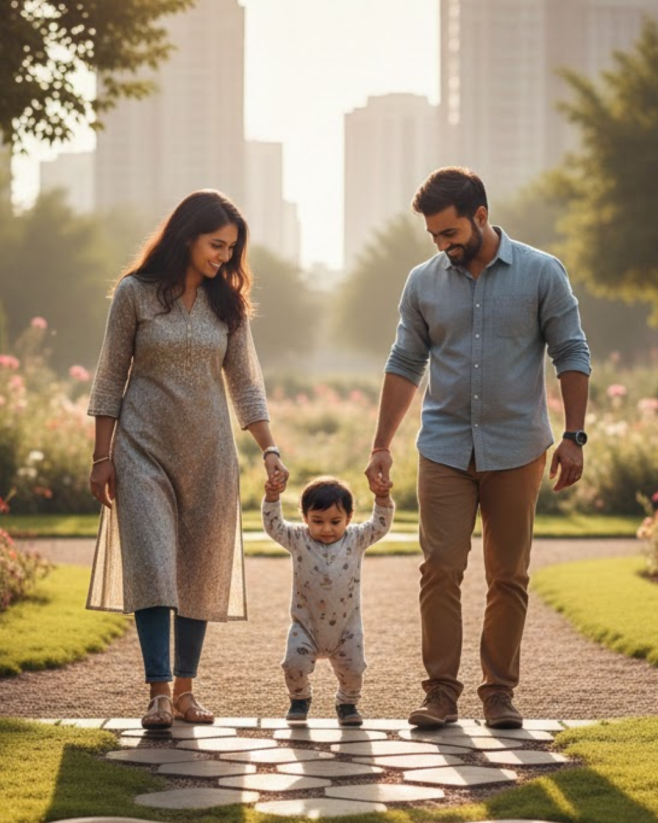
January marks Birth Defects Prevention Month, a time to increase awareness about congenital conditions and the importance of early medical intervention. While many birth defects can be reduced through proper maternal nutrition, folic acid intake, and regular antenatal checkups, some children are still born with orthopedic conditions that require timely evaluation.
Common orthopedic birth defects—such as clubfoot, developmental hip disorders, limb deformities, and spinal curvature—can affect a child’s mobility, growth, and confidence if not treated early. According to ICMR, orthopedic anomalies account for nearly one fourth of all congenital defects in India.
Dr. Rohit Jain, Orthopedic Surgeon for Children, highlights that prevention begins before birth, but early diagnosis and early orthopedic treatment after birth are equally essential. With timely care—bracing, physiotherapy, casting, or corrective surgery—most children can grow up to walk, run, and play normally.
Many parents delay treatment due to the misconception that newborns are “too young” for orthopedic care. Early intervention leads to simpler procedures and better long term outcomes. Any abnormality detected during prenatal screening or after birth should be assessed immediately by an experienced Pediatric Orthopedic Doctor.
Dr. Rohit Jain provides consultations for children in Kalyan, Thane, Dombivli, Mulund, Mumbra, and Kalwa, ensuring expert care close to home.
Birth defects are not destiny. With awareness and early orthopedic care, children can grow healthy, active, and confident.
Over 50% of Urban Kids Lack Calcium (IDA, 2022) — Weak Bones, Delayed Growth Risk.
December 30, 2025Strong bones are the foundation of a healthy childhood. Yet, many parents underestimate the role of nutrition in bone growth. Is your child getting enough calcium, vitamin D, and protein? According to the Indian Dietetic Association (IDA, 2022), more than 50% of urban children consume less than the recommended daily calcium intake, putting them at risk of weak bones, fractures, and delayed growth.
Dr. Rohit Jain, a trusted Pediatric Orthopedic Surgeon in Kalyan, Thane, and nearby suburbs, regularly treats children with bone health issues linked to poor nutrition. As a leading child bone and joint specialist, he emphasizes that diet plays a bigger role than you think.
Why Calcium Matters
Calcium is essential for:
- Building strong bones and teeth
- Supporting muscle function
- Ensuring proper growth during childhood and adolescence
Without adequate calcium, bones become fragile, increasing the risk of fractures and growth delays. Combined with low vitamin D and protein intake, the problem worsens.
The Alarming Statistics
The IDA (2022) reports that over half of urban children fall short of daily calcium requirements. Reasons include:
- Reduced consumption of dairy products
- Poor dietary habits (junk food replacing nutritious meals)
- Limited outdoor play reducing vitamin D absorption
- Lack of awareness among parents about nutritional needs
Signs Parents Should Watch For
Children with calcium deficiency may show:
- Frequent bone pain or tenderness
- Delayed growth compared to peers
- Weak teeth or dental issues
- Increased risk of fractures even with minor falls
If you notice these signs, consult a Children Orthopedic Doctor in Kalyan or Thane for a nutrition check and bone health evaluation.
Nutrition Tips for Strong Bones
Dr. Rohit Jain recommends simple, parent-friendly steps to boost calcium intake:
- Dairy products: Milk, yogurt, paneer, and cheese
- Leafy greens: Spinach, kale, and broccoli
- Nuts & seeds: Almonds, sesame seeds, and chia seeds
- Protein-rich foods: Eggs, pulses, and lean meats
- Safe sun exposure: 20–30 minutes daily for vitamin D synthesis
Balanced nutrition, combined with outdoor play, ensures healthy bone growth and prevents long-term complications.
Expert Care Across Mumbai Suburbs
Parents searching for the Best Pediatric Orthopedic Doctor in Kalyan, Thane, or nearby suburbs can rely on Dr. Rohit Jain’s expertise. His compassionate approach ensures families receive personalized guidance for bone health and nutrition.
FAQs for Parents
- 1. How much calcium does my child need daily? Children typically need 600–1,000 mg of calcium daily, depending on age.
- 2. Can poor nutrition really cause weak bones? Yes. Calcium, vitamin D, and protein deficiencies directly affect bone strength and growth.
- 3. Should supplements be given without consulting a doctor? No. Always consult a pediatric orthopedic surgeon before starting supplements.
- 4. Is calcium deficiency common in Indian children? Yes. Studies show over 50% of urban children consume less than the recommended intake.
Call to Action
Nutrition is the first step toward strong bones. If your child’s diet lacks calcium-rich foods, act now to prevent weak bones and delayed growth.
📍 For expert guidance, visit Dr. Rohit Jain, Pediatric Orthopedic Surgeon in Kalyan, Thane, Dombivli, Kalwa, Mumbra, Mulund, Diva, and nearby suburbs. His expertise as a child bone and joint specialist ensures your child receives the best care for bone health.
Disclaimer: This content is for awareness only and does not replace medical advice. Please consult a qualified Pediatric Orthopedic Surgeon for diagnosis or treatment.
5–10% of Children Face Delayed Fracture Healing (JPO, 2021)
December 19, 2025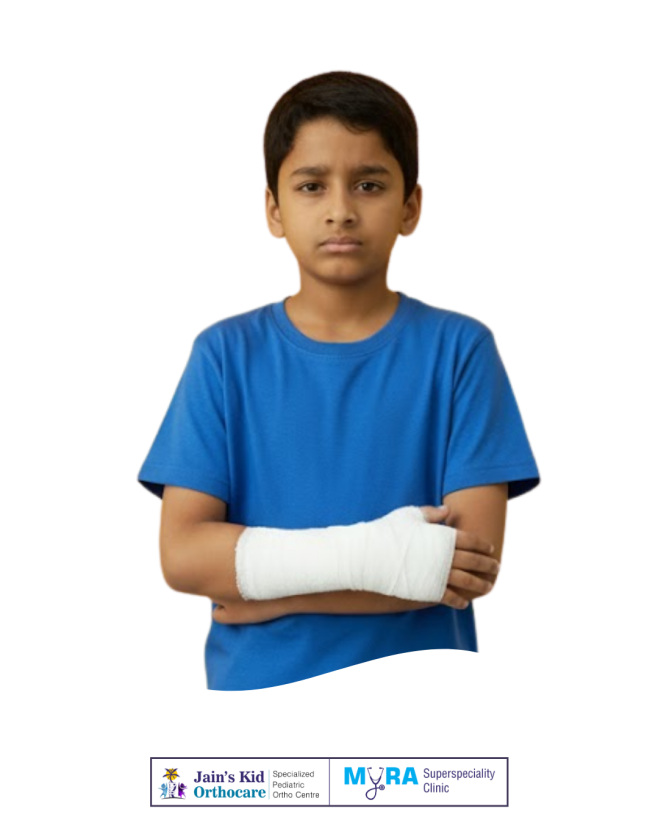
Introduction
Fractures in children usually heal faster than in adults, thanks to their growing bones. But what if your child's fracture hasn't healed even after weeks? This could be a sign of delayed bone healing, a condition that requires close monitoring and expert care.
According to the Journal of Pediatric Orthopaedics (JPO, 2021), delayed healing occurs in 5–10% of pediatric fractures. Causes include nutritional gaps, infections, poor immobilization, or underlying bone disorders.
Dr. Rohit Jain, a trusted Pediatric Orthopedic Surgeon in Kalyan, Thane, and nearby suburbs, emphasizes that early follow-up is crucial. As a leading children orthopedic doctor, he ensures fractures heal properly to avoid deformity or re-fracture.
What is Delayed Fracture Healing?
Delayed healing, also called "delayed union," happens when a fracture takes longer than expected to mend. While most childhood fractures heal within weeks, some bones fail to unite properly due to:
- Nutritional deficiencies (low calcium or vitamin D)
- Infections at the fracture site
- Poor immobilization (cast or splint not supporting the bone correctly)
- Underlying bone disorders
As a kids bone fracture doctor, Dr. Rohit Jain explains that untreated delayed healing can lead to long-term complications, including deformity or repeated fractures.
Why Early Follow-Up Matters
Children's bones are still developing, making them more vulnerable to growth-related issues. Delayed healing can cause:
- Weak bones prone to re-fracture
- Misalignment or deformity
- Growth plate injury affecting future bone development
Timely follow-up with a pediatric orthopedic specialist ensures proper healing and prevents long-term damage.
Signs Parents Should Watch For
Parents should be alert if their child shows:
- Persistent pain weeks after a fracture
- Swelling or tenderness that doesn't improve
- Difficulty moving the affected limb
- Delayed return to normal activities
If these signs appear, consult a Children Orthopedic Doctor in Kalyan or Thane immediately.
Treatment & Care
Delayed fracture healing requires specialized care. Treatment may include:
- Nutritional support (calcium and vitamin D supplements)
- Improved immobilization with casts or braces
- Infection management if present
- Advanced orthopedic techniques for complex cases
With proper monitoring, most children recover fully and regain normal bone strength.
Expert Care Across Mumbai Suburbs
Parents searching for the Best Pediatric Orthopedic Doctor in Kalyan, Thane, or nearby suburbs can rely on Dr. Rohit Jain's expertise. His compassionate approach ensures families feel reassured while their child receives expert fracture care.
FAQs for Parents
- 1. How long does it take for a child's fracture to heal? Most fractures heal within 4–6 weeks, but some may take longer due to complications.
- 2. What causes delayed healing in children? Nutritional gaps, infections, poor immobilization, or bone disorders are common causes.
- 3. Can delayed healing be prevented? Yes. Proper nutrition, timely medical care, and regular follow-up reduce the risk.
- 4. Should I consult a specialist if healing seems slow? Absolutely. A pediatric orthopedic surgeon can identify issues early and prevent long-term damage.
Call to Action
Fractures in children should heal quickly, but if recovery seems slow, don't ignore the signs. Delayed fracture healing affects 5–10% of children and requires expert follow-up to prevent complications.
For timely diagnosis and care, visit Dr. Rohit Jain, Pediatric Orthopedic Surgeon in Kalyan, Thane, Dombivli, Kalwa, Mumbra, Mulund, Diva, and nearby suburbs. His expertise as a child bone and joint specialist ensures safe recovery and strong bones for your child's future.
Disclaimer: This content is for awareness only and does not replace medical advice. Please consult a qualified Pediatric Orthopedic Surgeon for diagnosis or treatment.
1 in 500 Kids Hospitalized for Osteomyelitis (IJP, 2022) — Don’t Miss the Early Signs!
December 7, 2025When a child suddenly refuses to walk or complains of deep bone pain, parents often assume it’s just a sprain or minor injury. But sometimes, the cause is far more serious. Osteomyelitis, a bone infection, can escalate quickly if not diagnosed and treated in time.
According to the Indian Journal of Pediatrics (IJP, 2022), osteomyelitis accounts for 1 in 500 pediatric hospital admissions. Delayed treatment can result in permanent joint damage or growth plate injury, affecting a child’s long-term mobility.
Dr. Rohit Jain, a trusted Pediatric Orthopedic Surgeon in Kalyan, Thane, and nearby suburbs, emphasizes the importance of early detection. As a leading child bone and joint specialist, he treats bone infections with precision and urgency, ensuring children recover safely.
What is Osteomyelitis?
Osteomyelitis is a serious infection of the bone, often caused by bacteria entering through the bloodstream or following an injury. In children, it most commonly affects the long bones of the legs and arms.
If untreated, the infection can spread rapidly, damaging the bone and surrounding tissues. This can lead to growth plate injury, which may affect how the bone develops as the child grows.
Why Early Diagnosis Matters
- Permanant joint damage
- Growth plate injury leading to deformities
- Chronic pain and reduced mobility
Dr. Rohit Jain, an experienced orthopedic surgeon for children, stresses that early diagnosis and treatment are critical to prevent irreversible damage.
Signs Parents Should Watch For
- Sudden refusal to walk or bear weight
- Deep, persistent bone pain
- Swelling, redness, or warmth over a bone or joint
- Fever or irritability
- Limping or restricted movement
If your child shows these signs, consult a Children Orthopedic Doctor in Kalyan or Thane immediately.
Treatment & Care
Osteomyelitis requires urgent medical attention. Treatment typically involves:
- Antibiotics to fight the infection
- Hospital care for monitoring and intravenous medication
- Surgical intervention in severe cases to remove infected tissue
With timely treatment, most children recover fully and regain normal bone function.
Expert Care Across Mumbai Suburbs
Parents searching for the Best Pediatric Orthopedic Doctor in Kalyan, Thane, or nearby suburbs can rely on Dr. Rohit Jain’s expertise. His compassionate approach ensures families feel supported while their child receives expert care.
FAQs for Parents
- 1. Can osteomyelitis be cured? Yes. With early diagnosis and proper treatment, most children recover completely.
- 2. How quickly does osteomyelitis progress? It can escalate within days. That’s why urgent consultation is essential.
- 3. Is osteomyelitis common in children? It is relatively rare but serious—accounting for 1 in 500 pediatric hospital admissions (IJP, 2022).
- 4. What happens if treatment is delayed? Delayed treatment can cause permanent joint damage or growth plate injury, affecting long-term growth.
Call to Action
Bone infections in children should never be ignored. If your child is refusing to walk, has unexplained bone pain, or shows signs of fever and swelling, consult a specialist immediately.
📍 For expert care, visit Dr. Rohit Jain, Pediatric Orthopedic Surgeon in Kalyan, Thane, Dombivli, Kalwa, Mumbra, Mulund, Diva, and nearby suburbs. His expertise as a child bone and joint specialist ensures timely diagnosis and treatment, protecting your child’s future mobility.
Disclaimer: This content is for awareness only and does not replace medical advice. Please consult a qualified Pediatric Orthopedic Surgeon for diagnosis or treatment.
40% of Urban Kids Lack Vitamin D – Rickets is Preventable!
December 3, 2025
Introduction
As parents, nothing worries us more than seeing our child struggle with everyday milestones— whether it’s delayed walking, bow legs, or constant tiredness. While these signs may seem small at first, they can point to a serious but preventable condition: rickets, caused by vitamin D deficiency.
According to the Indian Academy of Pediatrics (IAP, 2022), more than 40% of urban Indian children have low vitamin D levels. This alarming statistic highlights the importance of awareness and timely medical care.
Dr. Rohit Jain, a trusted Pediatric Orthopedic Surgeon in Kalyan, Thane, and nearby suburbs, explains that rickets weakens growing bones, leading to deformities and delayed motor milestones. The good news? With early diagnosis and proper treatment, rickets can be reversed, ensuring your child grows strong and active.
What is Rickets?
Rickets is a childhood bone disorder caused by vitamin D deficiency. Vitamin D helps the body absorb calcium and phosphorus—two minerals essential for strong bones. Without it, bones become soft, weak, and prone to deformities.
Children with rickets may develop bow legs, knock knees, or delayed walking. In severe cases, bone pain and stunted growth can occur. As a leading orthopedic surgeon for children, Dr. Rohit Jain regularly treats young patients with bone and joint issues linked to poor nutrition and lack of sunlight.
Why Vitamin D is Essential
Vitamin D is often called the “sunshine vitamin” because our bodies produce it when exposed to sunlight. It plays a vital role in:
- Strengthening bones and teeth
- Supporting muscle function
- Boosting immunity
Unfortunately, modern urban lifestyles limit outdoor play. Children spend more time indoors, leading to reduced sunlight exposure. Combined with diets low in vitamin D-rich foods, this creates a perfect storm for deficiency.
The IAP Guidelines (2022) confirm that 40% of urban Indian children have suboptimal vitamin D levels, putting them at risk of rickets and delayed motor milestones.
Signs Parents Should Watch For
Parents often notice subtle changes before doctors do. Watch for these warning signs:
- Delayed walking or standing compared to peers
- Bow legs or knock knees that worsen over time
- Frequent tiredness or muscle weakness
- Bone pain or tenderness
If your child shows any of these symptoms, consult a Children Orthopedic Doctor in Kalyan or Thane immediately. Early diagnosis can prevent long-term damage.
Treatment & Prevention
The best part about rickets is that it’s preventable and reversible. With timely care, children can regain bone strength and achieve healthy growth.
Treatment Options
- Vitamin D supplements prescribed by a pediatric orthopedic doctor
- Dietary changes to include milk, eggs, fish, and fortified foods
- Medical monitoring to track bone development
Prevention Tips for Parents
- Encourage daily outdoor play for natural sunlight exposure
- Provide a balanced diet rich in calcium and vitamin D
- Schedule regular checkups with a pediatric orthopedic surgeon
- Follow medical advice on supplements if needed
Dr. Rohit Jain emphasizes that with the right care, children can overcome rickets and enjoy an active, healthy childhood.
Expert Care Across Mumbai Suburbs
Finding the right specialist close to home makes all the difference. Dr. Rohit Jain is available at reputed hospitals and clinics across Kalyan, Thane, Dombivli, Kalwa, Mumbra, Mulund, Diva, and nearby suburbs.
Parents searching for the Best Pediatric Orthopedic Doctor in Kalyan, Thane, or surrounding areas can rely on Dr. Jain’s expertise in treating bone deformities, delayed milestones, and nutrition-linked conditions. His compassionate approach ensures families feel supported every step of the way.
FAQs for Parents
- 1. Can rickets be reversed? Yes. With early diagnosis, vitamin D supplements, and lifestyle changes, rickets can be reversed, and children can regain normal bone strength.
- 2. How much sunlight does my child need daily? Just 20–30 minutes of outdoor play in sunlight can help maintain healthy vitamin D levels. Morning or late afternoon sun is best.
- 3. Is vitamin D deficiency common in Indian children? Yes. Studies show that over 40% of urban children have low vitamin D levels due to reduced outdoor activity and poor nutrition.
- 4. Should I give my child supplements without consulting a doctor? No. Always consult a pediatric orthopedic surgeon or child bone specialist before starting supplements. Dosage depends on age, weight, and health condition.
Call to Action
Rickets doesn’t have to slow your child down. With awareness, outdoor play, balanced nutrition, and timely consultation, your child can enjoy strong bones and an active childhood.
If you’re searching for a Children Orthopedic Doctor in Kalyan, Thane, Dombivli, Kalwa, Mumbra, Mulund, Diva, or nearby suburbs, Dr. Rohit Jain is here to help. His expertise ensures your child receives the best care for bone health.
Disclaimer: This content is for awareness only and does not replace medical advice. Please consult a qualified Pediatric Orthopedic Doctor for diagnosis or treatment.
Post-Sport Leg Pain in Children: What It Could Mean, according to Dr. Rohit Jain
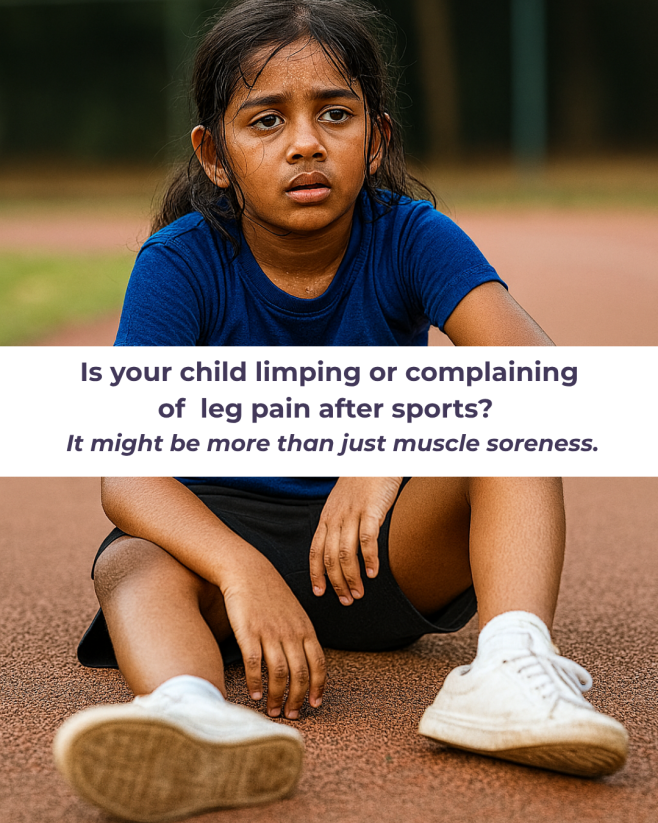
November 27, 2025Is your child complaining of leg pain after sports or play? While it may seem like simple fatigue, persistent post-sport leg pain in children can indicate overuse injuries, stress fractures, or growth plate strain—conditions that require timely attention.
Dr. Rohit Jain, a well-known Pediatric Orthopedic Surgeon and trusted Kids Bone Fracture Doctor, explains that growing bones are especially vulnerable during high-impact activities. With clinics across Thane, Kalyan, Mulund, Mumbra, and Dombivli, he helps young athletes recover safely and avoid long-term damage.
According to the American Academy of Pediatrics (AAP), nearly 30% of sports-related injuries in children involve the lower limbs—and many go unnoticed until they worsen (AAP Sports Medicine Report, 2023). Early evaluation can prevent complications and support healthy growth.
Signs Parents Shouldn’t Ignore
- Complains of leg pain after sports or running
- Limping or avoiding physical activity
- Swelling or tenderness near joints
- Recurring pain in knees, ankles, or heels
If your child shows any of these signs, it’s time to consult an Orthopedic Doctor for Children for timely diagnosis and care.
Whether your child is a budding athlete or simply active, don’t let hidden injuries slow them down. Book your appointment today!
Disclaimer: This blog is for educational purposes only and does not replace medical advice.
Building Strong Bones in Teens: Dr. Rohit Jain Shares Why It Matters
November 15, 2025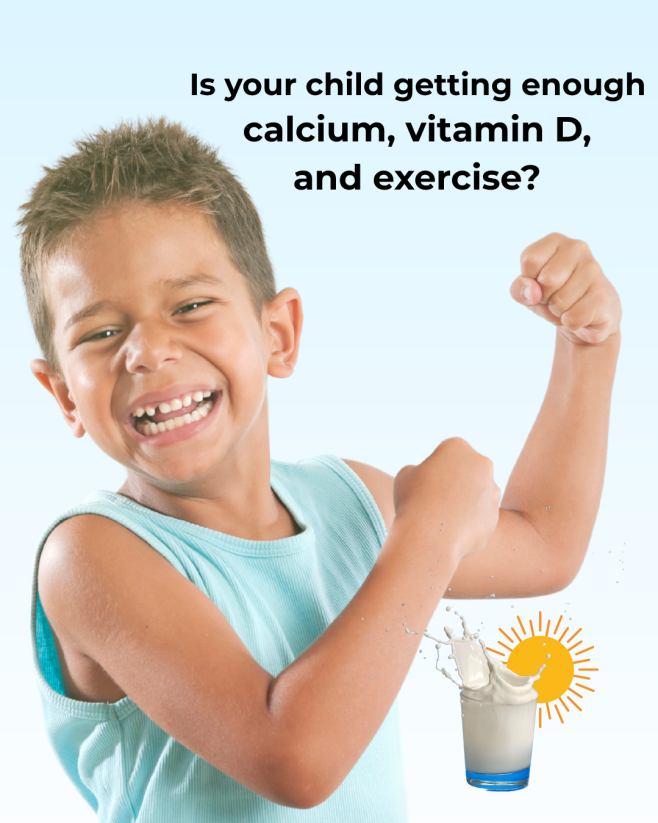
Adolescence isn’t just about growth spurts and school milestones—it’s a critical window for building bone density. According to Dr. Rohit Jain, a leading Pediatric Orthopedic Surgeon and trusted Child Bone Specialist in Kalyan and Thane, the habits formed during teenage years can shape bone health for life.
As per the National Institutes of Health (NIH), 90% of peak bone mass is built by age 18. Poor nutrition, lack of exercise, and limited sun exposure during this phase can increase the risk of early-onset osteoporosis and fractures later in life (NIH Bone Health Report, 2023).
What Parents Can Do to Support Bone Health
Dr. Jain recommends:
- Weight-bearing exercises like walking, dancing, or sports
- Calcium-rich foods such as dairy, leafy greens, and fortified cereals
- Safe sun exposure for natural Vitamin D synthesis
These simple lifestyle choices can make a lasting impact on your child’s skeletal strength, overall health, and fitness.
If you're searching for the Best Pediatric Orthopedic Doctor in Thane, Kalyan, or nearby areas like Mulund, Mumbra, or Dombivli, now is the time to act. Dr. Jain offers effective bone health guidance for growing children and teens. Book your appointment today!
Disclaimer: This blog is for educational purposes only and does not replace medical advice.
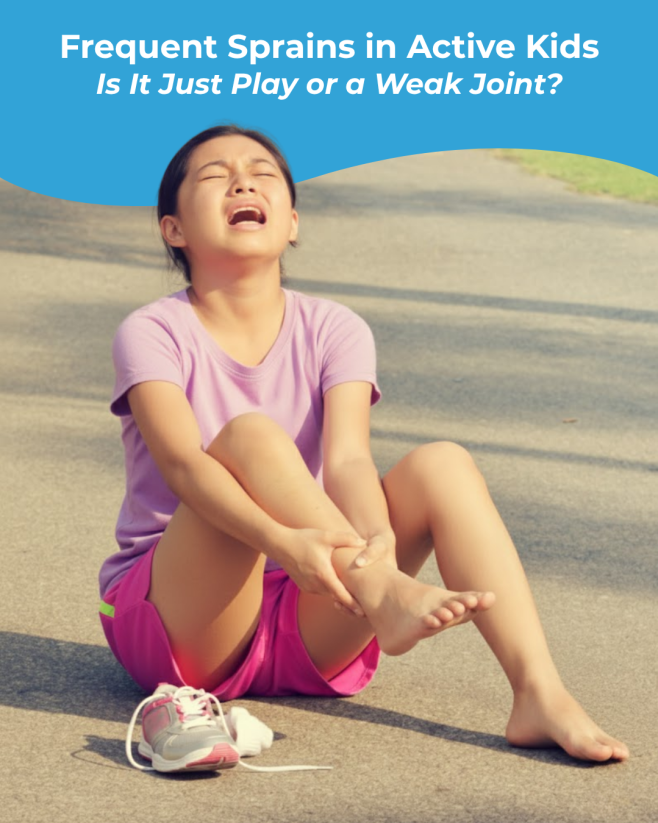
Repeated Sprains in Children? Dr. Rohit Jain Highlights What Parents Should Know
November 10, 2025Is your child frequently spraining their ankle or wrist during play or sports? While it may seem minor, repeated sprains in children can signal deeper concerns like joint hypermobility, poor muscle tone, or alignment issues.
Dr. Rohit Jain, a trusted Pediatric Orthopedic Surgeon in Thane and a leading Kids Bone Fracture Doctor, explains that early evaluation is key—especially for active children and young athletes. With clinics across Thane, Kalyan, Mulund, Mumbra, and Dombivli, Dr. Jain helps children build strength, improve joint stability, and prevent long-term injuries.
According to the American Academy of Pediatrics (AAP), children with joint laxity are 2–3 times more likely to experience recurrent sprains. In such cases, physiotherapy, orthotic support, or a personalized strengthening plan may be recommended (AAP Sports Medicine Report, 2022).
When Should You See a Pediatric Orthopedic Specialist?
- Keeps spraining the same joint
- Complains of joint pain after mild activity
- Has unusually flexible joints or flat feet
- Is involved in sports and struggles with balance or coordination
If your child shows any of these signs, it’s time to consult a Children Orthopedic Doctor in Kalyan, Thane, or nearby locations.
Don’t wait for a minor sprain to become a major setback. Book your appointment today to ensure your child’s bones and joints stay strong, safe, and injury-free.
Disclaimer: This blog is for educational purposes only and does not replace medical advice.
Is Your Child Missing Motor Milestones? Dr. Rohit Jain Explains Why Early Screening Matters
November 5, 2025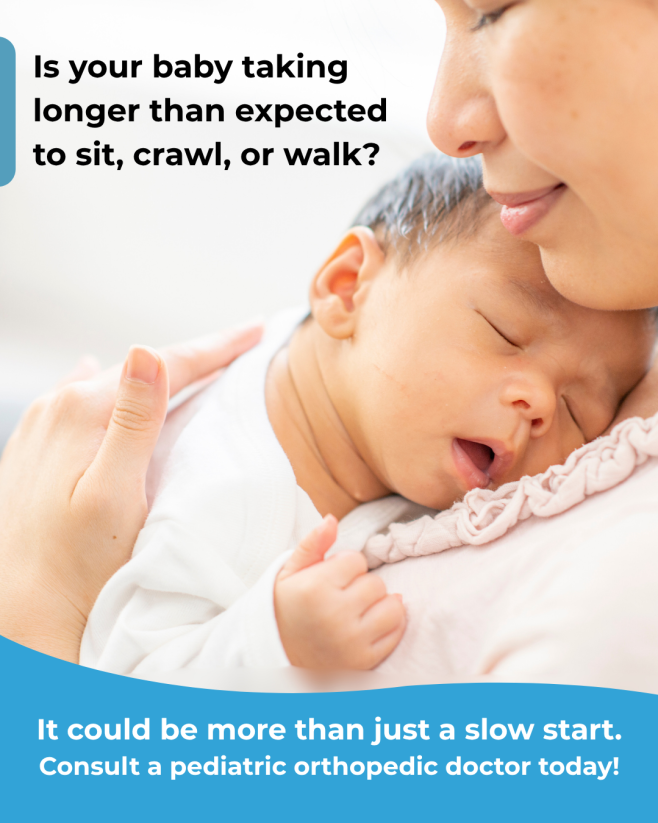
Delayed motor milestones—like late walking or crawling—can be early signs of bone, muscle, or neurological concerns. Dr. Rohit Jain, a leading Pediatric Orthopedic Surgeon in Kalyan, Dombivli, Thane, Mulund, Mumbra, and nearby areas, emphasizes the importance of timely evaluation.
As a trusted Child Bone and Joint Specialist, Dr. Jain helps parents understand developmental patterns and offers expert guidance when early intervention is needed.
According to the World Health Organization (WHO), most children begin walking between 12 to 15 months. If your child consistently misses these milestones, conditions like cerebral palsy or hip dysplasia should be ruled out through professional screening (WHO Child Development Milestones, 2023).
Whether you're searching for the Best Pediatric Orthopedic Doctor in Kalyan or Thane, or a Children Orthopedic Specialist near Kalyan–Dombivli or Thane, early diagnosis can make a lifelong difference in your child’s mobility and confidence.
If you have any concerns related to your little one's growth, book your appointment today!
Disclaimer: This blog is for informational purposes only and does not substitute medical advice.
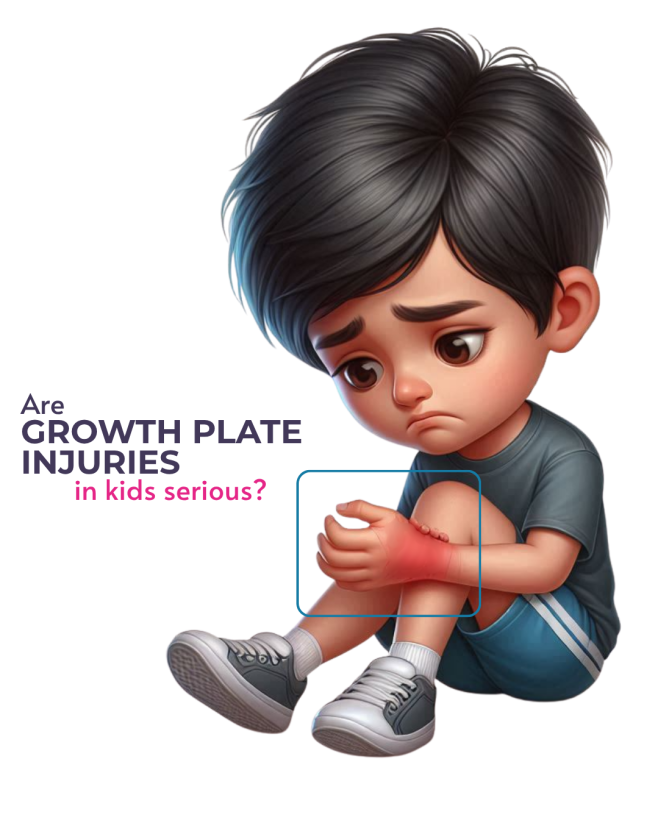
Are Growth Plate Injuries in Kids Serious? What Every Parent Should Know
October 31, 2025When children fall or get injured during play or sports, most parents look for bruises or swelling. But some of the most serious injuries are hidden—especially when they affect the growth plates, the soft areas at the ends of bones that control future growth.
These plates are responsible for shaping your child’s limbs as they grow. An injury here isn’t just a temporary setback—it can lead to limb length differences, angular deformities, or joint problems if not treated properly.
Did You Know?
Growth plate injuries account for 15–30% of all childhood fractures. They’re most common in active kids aged 10–16, especially those involved in sports or high-impact activities.
“We treat growth plate injuries with precision to protect long-term bone development,” says Dr. Rohit Jain, Pediatric Orthopedic Surgeon at Bethany Hospital, Thane.
Signs Parents Should Watch For
- Limping or refusal to bear weight
- Swelling near joints
- Pain during movement
- Reduced range of motion in arms or legs
These symptoms may appear mild but could indicate a serious underlying issue.
Why Early Diagnosis Matters
- Prompt evaluation by a Pediatric Orthopedic Specialist ensures:
- Accurate diagnosis with imaging
- Proper alignment and healing
- Prevention of long-term deformities
- Monitoring of bone growth over time
Protecting Growing Bones
Children’s bones are resilient—but only if injuries are caught early. If your child has had a fall, sports injury, or unexplained joint pain, don’t wait.
Visit Dr. Rohit Jain’s clinic in Kalyan & Thane for expert pediatric orthopedic care.
World Pediatric Bone & Joint Day: Is Your Child’s School Bag Hurting Their Spine?
October 19, 2025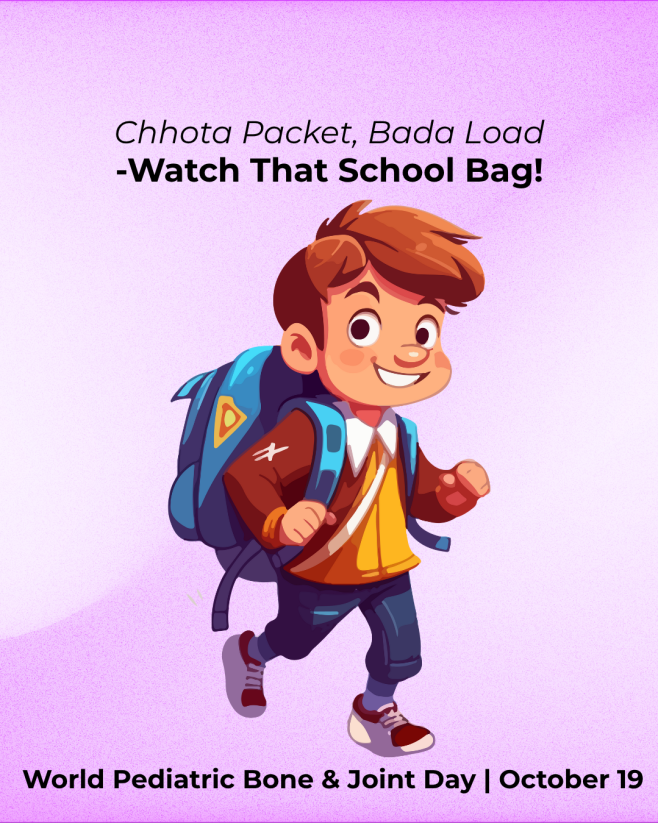
Heavy school bags are more than just a daily burden—they’re a growing health risk. Back pain, poor posture, and spinal strain are increasingly common among school-going children, especially in urban areas where long commutes and packed schedules leave little room for rest or recovery.
On World Pediatric Bone & Joint Day, Dr. Rohit Jain, a trusted Pediatric Orthopedic Surgeon in Thane, urges parents to act. “Follow the 10% rule,” he advises. “Your child’s school bag should weigh no more than 10% of their body weight.”
Why It Matters
According to the Indian Academy of Pediatrics, overloaded bags can lead to:
- Chronic back and neck pain
- Postural imbalance and slouching
- Spinal strain and early fatigue
- Increased risk of scoliosis or kyphosis
These issues often go unnoticed until they affect learning, play, or sleep.
What Parents Can Do
- Weigh your child’s bag—keep it under 10% of their body weight
- Choose bags with padded, adjustable straps
- Encourage daily stretching and posture checks
- Avoid packing unnecessary books or items
- Ensure ergonomic seating at home and school
Prevention Today = Protection Tomorrow
A healthy spine supports your child’s growth, confidence, and energy. Let this World Pediatric Bone & Joint Day be a reminder: small changes in routine can prevent lifelong complications.
Visit Dr. Rohit Jain’s clinic in Kalyan & Thane for expert pediatric orthopedic care and posture screening.
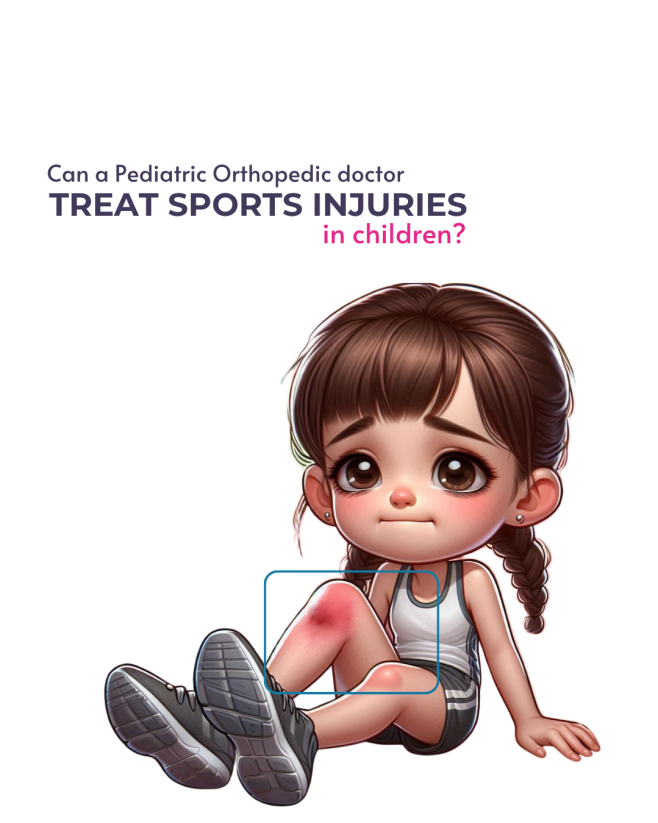
Can a Pediatric Orthopedic Doctor Treat Sports Injuries in Children?
October 21, 2025Absolutely! Children are active, energetic, and often fearless—which makes them more prone to sports-related injuries. From sprains and fractures to ACL tears and overuse conditions, these injuries require specialized care that supports both healing and growth.
Dr. Rohit Jain, Pediatric Orthopedic Surgeon at Bethany Hospital, Thane, explains: “Children’s bones respond differently to stress—our treatments support your child’s growth and quick recovery.”
Why Pediatric Sports Injuries Need Specialized Care
Children’s bones are still developing. That means:
- Injuries can affect growth plates
- Healing patterns differ from adults
- Long-term mobility and development must be protected
According to national data, sports injuries account for 10–15% of pediatric emergency visits to hospitals across India (Source: Ministry of Health and Family Welfare).
Common Sports Injuries in Children
- Sprains and strains
- Fractures (especially wrist, ankle, and collarbone)
- ACL and meniscus tears
- Shin splints and overuse injuries
- Shoulder dislocations
What Parents Should Do
- Seek prompt evaluation from a pediatric orthopedic specialist
- Avoid self-diagnosing or delaying care
- Encourage proper warm-ups and stretching
- Use protective gear during sports
- Monitor for limping, swelling, or reluctance to play
Active Kids Deserve Active Recovery
Whether your child is a budding athlete or just loves to play, expert orthopedic care ensures
they bounce back stronger and safer.
Visit Dr. Rohit Jain’s clinic in Kalyan & Thane for compassionate, growth-focused treatment of pediatric sports injuries.
Bone Health Starts Young—Especially in Today’s City Kids
October 20, 2025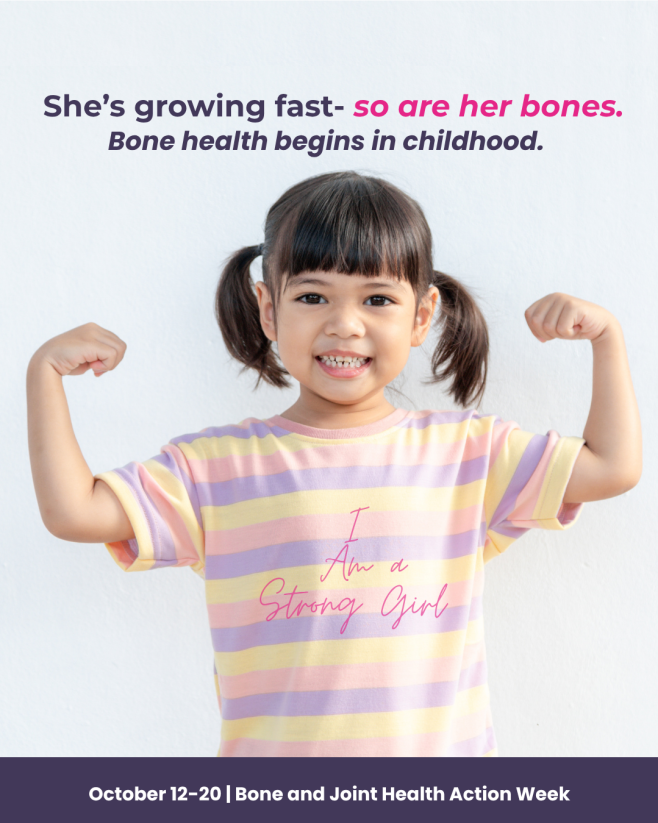
Bone health isn’t just an adult concern—it begins in childhood. Children today are growing up in high-rises, surrounded by screens, schedules, and indoor routines. Their days are packed with school, tuition, and digital entertainment—but often missing the one thing their bones need most: movement.
Instead of climbing trees, they’re tapping tablets. Instead of running in the sun, they’re scrolling in air-conditioned rooms. This shift is quietly reshaping childhood—leading to poor posture, vitamin D deficiency, and early fatigue.
This October, during Bone and Joint Health Action Week, Dr. Rohit Jain, a trusted Pediatric Orthopedic Surgeon in Thane, urges parents to take early action. “Strong bones in childhood lay the foundation for a strong future,” he says.
What to Watch For
- Flat feet
- Knock knees
- Uneven shoulders or spine (possible scoliosis)
- Slouching or reluctance to play
These signs may seem minor but can lead to joint pain, poor posture, and long-term complications if ignored.
What You Can Do
- Prioritize a calcium- and vitamin D-rich diet
- Encourage daily outdoor play—even short bursts help
- Limit screen time and promote active hobbies
- Schedule regular orthopedic checkups
According to ICMR (2023), early detection and intervention can prevent lifelong orthopedic issues and support healthy development.
Let this week be a reminder: Strong bones = strong future.
Visit Dr. Rohit Jain’s clinic in Kalyan & Thane for expert pediatric orthopedic care.
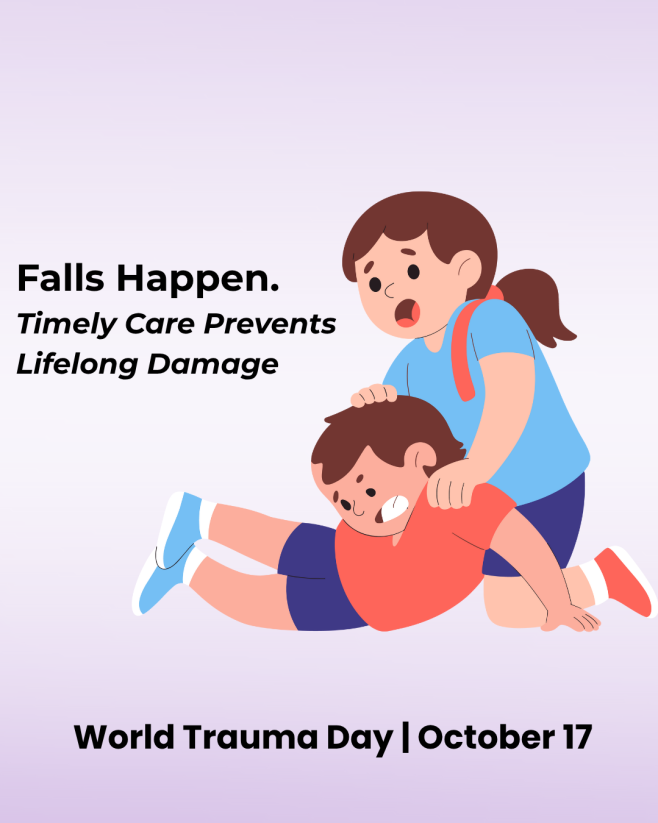
World Trauma Day: Spotting Hidden Injuries in Children Before It's Too Late
October 17, 2025Children fall, tumble, and collide—it’s part of growing up. But not every injury leaves a visible mark. On World Trauma Day, it’s time to look beyond bruises and bandages.
Dr. Rohit Jain, a trusted Pediatric Orthopedic Surgeon in Thane, reminds parents: “Swelling, limping, or refusal to use a limb may signal hidden trauma. Timely orthopedic evaluation can prevent growth plate damage and long-term deformity.”
Why Childhood Trauma Needs Special Attention?
Children are prone to:
- Playground accidents
- Sports injuries
- Falls at home or school
But their bones are still developing. A missed fracture or untreated joint injury can affect growth, posture, and mobility for life.
According to the Ministry of Health and Family Welfare, India, pediatric trauma is often underreported and misdiagnosed—especially when symptoms are subtle or delayed.
Signs of Hidden Bone Trauma
- Persistent swelling or bruising
- Limping or dragging a foot
- Avoiding movement or play
- Pain during routine activities
These signs may point to growth plate injuries, which can disrupt bone development if not treated early.
What Parents Can Do
- Don’t ignore minor injuries—get them checked
- Choose pediatric orthopedic specialists for bone-related concerns
- Encourage safe play and protective gear during sports
- Act fast—in trauma care, every minute matters
Growing Bones Need Timely Care
Children heal fast—but only if the injury is caught in time.
A quick orthopedic checkup can mean the difference between lifelong strength and chronic pain.
Visit Dr. Rohit Jain’s clinic in Kalyan and Thane for expert trauma care specific to growing bones.
World Spine Day: Protecting Your Child’s Backbone for Life
October 16, 2025
Spinal issues in children are quietly on the rise—and the culprits are closer than you think: poor posture, heavy school bags, and excessive screen time. In today’s urban lifestyle, where kids spend more time hunched over devices than running outdoors, spinal health is becoming a growing concern.
On World Spine Day, Dr. Rohit Jain, a trusted Pediatric Orthopedic Surgeon in Thane, emphasizes the importance of early awareness. “Conditions like scoliosis, kyphosis, and postural imbalance can be corrected if caught early,” he says.
What Parents Should Watch For
- Slouching or uneven shoulders
- Complaints of back pain or fatigue
- Difficulty sitting upright or carrying school bags
- Visible spinal curves or asymmetry
According to the Indian Orthopedic Association, childhood spinal issues are increasingly linked to sedentary habits and poor ergonomics. But the good news? Most cases are treatable with early intervention.
What You Can Do
- Encourage daily stretching and physical activity
- Limit screen time and promote movement-based play
- Ensure ergonomic seating at home and school
- Schedule regular orthopedic checkups for posture screening
A healthy spine supports learning, play, and growth. Let this World Spine Day be your reminder: Strong posture today means a stronger tomorrow.
Visit Dr. Rohit Jain’s clinic in Kalyan & Thane for expert pediatric spine care.
World Arthritis Day: Juvenile Arthritis Is Real—Know the Signs
October 12, 2025Juvenile Idiopathic Arthritis (JIA) affects 1 in 1,000 Indian children, causing joint pain, swelling, and fatigue (Source: World Health Organization India, 2022). Yet many parents mistake it for growing pains or overlook it entirely.
What Is Juvenile Arthritis?
JIA is an autoimmune condition where the body’s immune system mistakenly attacks healthy joint tissue. It leads to inflammation, stiffness, and discomfort—especially in the morning. It’s most common in children between ages 2 and 16, and symptoms can vary from mild to severe.
Watch for These Signs:
- Morning stiffness or limping
- Swollen joints, especially knees or wrists
- Reluctance to play or move
- Persistent fatigue
What Can Be Done?
Early diagnosis is key. With proper treatment—like medication, physiotherapy, and regular monitoring—children can lead active, pain-free lives. Dr. Rohit Jain, a trusted Pediatric Orthopedic Surgeon in Thane, offers expert care tailored to each child’s needs.
On World Arthritis Day, let’s raise awareness: Arthritis isn’t just for adults—children need our attention too. Visit Dr. Rohit Jain’s clinics in Kalyan & Thane for expert guidance and compassionate care.

World Cerebral Palsy Day: How to Spot Early Signs & Support Your Child’s Growth
October 3, 2025
If you're a parent worried about your child’s movement delays or stiffness, you’re not alone. On October 3—World Cerebral Palsy Day, we celebrate every child’s strength and every parent’s courage.
Cerebral Palsy (CP) is a neurological condition caused by early brain development issues. It affects movement, posture, and coordination. Children with CP may show signs like delayed milestones, stiff or floppy muscles, or trouble with balance. Importantly, CP is not progressive—the brain injury doesn’t worsen over time, and with the right care, children can thrive (Source: CPARF.org, CDC).
CP in India: The Numbers
India sees an estimated 3.5 to 4 million children living with cerebral palsy, making it one of the most common childhood disabilities in the country. Yet awareness and access to care remain limited, especially outside cities.
Dr. Rohit Jain, a trusted Pediatric Orthopedic Surgeon in Kalyan and Thane, works closely with families to guide children with CP toward better mobility and independence. His approach includes early diagnosis, physiotherapy, and surgical support—always focused on each child’s potential and comfort.
Let today be a reminder: Help and hope are always within reach.
Visit Dr. Rohit Jain’s clinic in Kalyan & Thane for expert guidance based on your child’s needs.
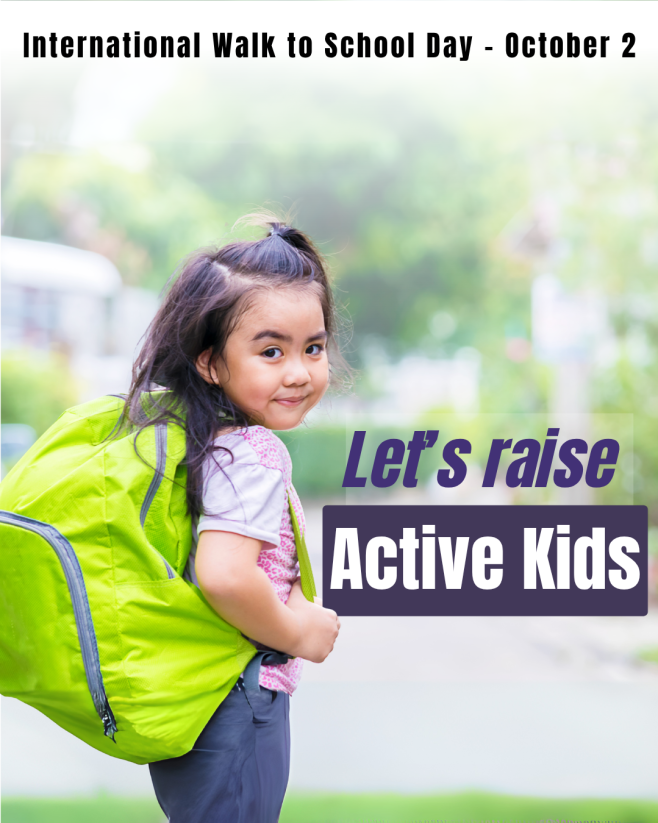
Why Walking to School Matters: Advice from Dr. Rohit Jain, Pediatric Orthopedic Surgeon in Thane
October 2, 2025Walking to school is a simple habit with big health benefits for children. Kids who walk regularly have stronger bones, better posture, and healthier hearts. In urban India, however, walking is often replaced by screen time and sedentary travel, contributing to weaker musculoskeletal health and rising obesity.
On International Walk to School Day, Dr. Rohit Jain from Thane encourages parents to promote safe walking habits. Just 30 minutes of daily walking can improve musculoskeletal strength and reduce obesity risk.
Key Benefits of Walking to School
- Stronger Bones and Better Posture: Walking supports growth and development during childhood.
- Improved Cardiovascular Health: Regular walking boosts the heart and reduces obesity risk.
- Active Lifestyle Habits: Walking encourages lifelong health habits, reducing sedentary behaviour.
Tips for Parents
- Choose safe, pedestrian-friendly routes.
- Walk with your child to model safe behaviour.
- Encourage walking with friends for fun and safety.
Let's raise active, healthy kids—one step at a time!
Why Does My Baby’s Foot Look Twisted? Explained by Dr Rohit Jain, Pediatric Orthopedic Surgeon, Thane
September 25, 2025
“Why Does My Baby’s Foot Look Twisted?” The moment every parent needs reassurance. It’s a moment no parent forgets—holding your newborn and noticing something unusual. One tiny foot looks turned inward. Panic sets in. Is this serious? Did I do something wrong?
The answer: No. And yes, it’s treatable. This condition is called clubfoot, and it affects 1 in every 800 babies born in India. It’s not your fault, and with early care, your child can walk, run, and play like any other.
What to Look For:
- Foot twisted inward or downward
- Toes pointing sideways
- One leg may seem shorter
- Baby doesn’t move the foot normally
Early Treatment = Big Wins
Dr. Rohit Jain, pediatric orthopedic surgeon at Bethany Hospital, Thane West, recommends the Ponseti method—a gentle, non-surgical approach using casting, bracing, and physiotherapy. With timely care, clubfoot can be corrected—no surgery needed in most cases.
If your baby’s foot looks unusual, don’t wait. Book a visit with a pediatric orthopedic specialist today.
Minor Fractures in Kids: Expert Advice from Dr. Rohit Jain, Pediatric Orthopedic Surgeon in Thane
September 15, 2025“Does My Child Really Need a Cast?” What Every Parent Should Know About Minor Fractures — explained by Dr Rohit Jain, Pediatric Orthopedic Surgeon, Thane.
It starts with a fall at the playground, a loud cry, and a swollen arm. You rush to the doctor, heart pounding. The X-ray shows a minor fracture. And then comes the big question: Will my child need a cast? The answer isn’t always yes!
“We choose the least invasive option that still protects healing,” explains Dr. Rohit Jain, bone specialist at Bethany Hospital, Thane West.
What Are the Options?
- Removable splints
- Soft braces
- Traditional plaster casts
Forearm fractures are especially common in children under 10 — and most heal beautifully with early care and the right support.
Why Early Treatment Matters
Minor fractures may seem small, but without proper care, they can affect long-term movement and growth. A pediatric orthopedic specialist ensures your child gets the right treatment without unnecessary discomfort.
Injury worries? Don’t guess — get expert advice. Book your appointment with a pediatric orthopedic doctor today!

Why is my toddler limping? Dr. Rohit Jain, Pediatric Orthopedic Expert in Thane Shares Early Warning Signs
September 12, 2025
“Why Is My Toddler Limping?” When a Wobble Might Mean More — explained by Dr Rohit Jain, pediatric orthopedic surgeon in Thane. It starts subtly—your toddler limps after a fall, then walks fine the next day. But what if the limp doesn’t go away?
While minor injuries are common, persistent limping can signal deeper issues like Developmental Dysplasia of the Hip (DDH) or transient synovitis—conditions that affect joint movement and bone growth.
“We often see children with delayed diagnosis that could’ve been managed early,” shares Dr. Rohit Jain, pediatric orthopedic surgeon at Bethany Hospital, Thane West.
What Parents Should Know:
- DDH affects 1 in 1000 infants in India
- Early signs may include uneven leg movement or limping
- Timely evaluation can prevent long-term mobility issues
A pediatric bone specialist can assess your child’s gait and recommend the right treatment—often non-invasive and highly effective when started early.
Noticed a limp that won’t go away?
Book your appointment today and give your child the freedom to move with confidence.
Bone Health Starts Early in Childhood: Dr. Rohit Jain, Pediatric Orthopedic Surgeon in Thane, Shares Insights for National Nutrition Week
September 3, 2025“Only 28% of kids eat balanced meals. Let’s change that, beginning today!” says Dr Rohit Jain, Pediatric Orthopedic Surgeon, Thane.
“Nutrition isn’t just about immunity—it’s the foundation of your child’s bones, posture, and lifelong mobility. I see children with weak bones, poor posture, and early joint pain—all linked to low calcium, vitamin D, and poor movement habits. Bone health begins in childhood. If we wait, we’re already too late.” he adds further.
What’s Happening in India:
- 80% of Indian children are vitamin D deficient
- Rising cases of flat feet, knock knees, and early joint pain in school-age kids
- Sedentary lifestyles and poor nutrition weakening bone density during growth spurts
What Parents Can Do:
- Ensure daily calcium intake—milk, curd, ragi, tofu, and leafy greens
- Encourage 15–20 minutes of sunlight exposure for natural vitamin D
- Promote weight-bearing play like running, hopping, and climbing
- Limit screen time and encourage upright sitting posture
Visit Dr Rohit Jain, Pediatric Orthopedic Surgeon at Bethany Hospital, Thane West for your child's orthopedic screening and bone health guidance—tailored to their age and activity level.
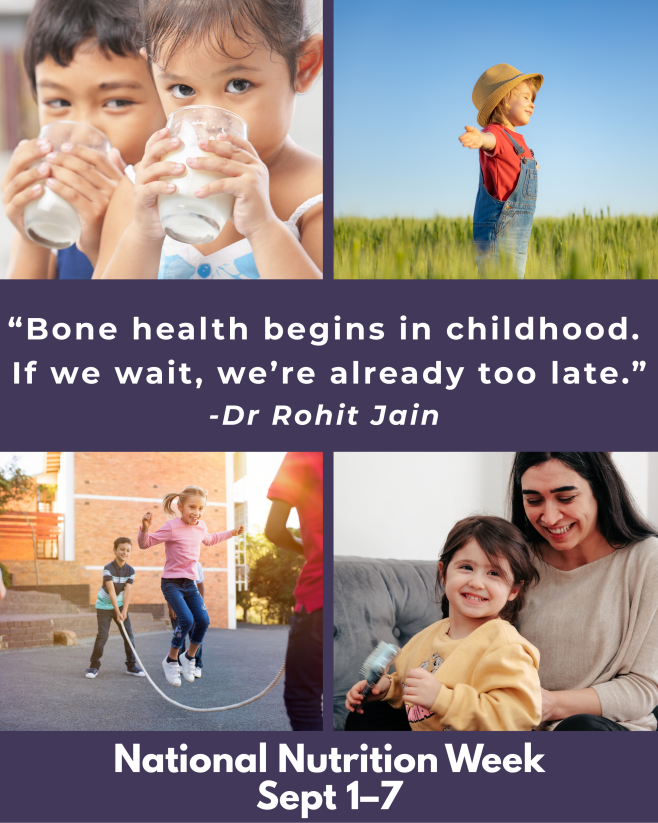
Knock Knees in Children: Expert Advice from Dr. Rohit Jain, Pediatric Orthopedic Surgeon in Thane
August 28, 2025
“Knock knees may look normal, but persistent cases can affect your child’s mobility,” says Dr. Rohit Jain, Pediatric Orthopedic Surgeon, practicing in Thane, Mulund, Kalyan and nearby suburbs.
It’s common for children between ages 2 and 7 to have knees that angle inward—called knock knees or genu valgum. But if your child’s knees touch while the ankles stay apart, and this continues beyond age 7, it might be time to consult a bone specialist.
Signs Parents Shouldn’t Ignore:
- Limping or difficulty running
- Knee pain or fatigue after play
- Uneven leg alignment or one leg more affected
- Frequent falls or awkward walking
Knock knees can stem from nutritional deficiencies (like low Vitamin D or calcium), childhood obesity, genetics, or bone conditions such as rickets. While mild cases often resolve naturally, persistent or worsening symptoms need expert evaluation.
When to See a Pediatric Orthopedic Surgeon:
- If knock knees persist after age 7
- If your child complains of pain or struggles to walk
- If one leg appears more misaligned than the other
Early diagnosis can prevent future joint stress, hip misalignment, or arthritis. A pediatric orthopedic surgeon offers child-specific care that’s gentle, precise, and growth-aware.
Let your child walk, run, and play with confidence. Book consultation with the best pediatric orthopedic surgeon in Thane today!
Why Children Need Pediatric Orthopedic Doctor: Insights from Dr. Rohit Jain in Thane
August 20, 2025“Children are not just small adults. Their bones grow, heal, and behave differently,” says Dr. Rohit Jain, Pediatric Orthopedic Surgeon, practicing in Thane, Kalyan, Mulund and other nearby suburbs. “That’s why they need a specialist who understands growing bones—not just any orthopedic doctor.”
Many parents, without realizing it, consult general orthopedic surgeons for their child’s bone or joint problems. But here’s the catch: adult orthopedic care isn’t designed for kids. Conditions like growth plate injuries, limb deformities, and pediatric fractures need child-specific expertise.
Why Pediatric Orthopedic Surgeons Are the Right Choice?
- They undergo extra years of training focused on children’s bone development
- They specialize in conditions like clubfoot, scoliosis, and hip dysplasia
- They understand how treatments affect growth plates and future mobility
In India, pediatric orthopedic specialists are rare—less than 5% of orthopedic surgeons have this advanced training. That’s why choosing the right expert early can make all the difference in your child’s long-term health.
Book consultation with the best pediatric orthopedic surgeon in Thane today!

Child Needs Ortho Surgery? Here’s Why You Can Feel Confident with Expert Pediatric Ortho Care by Dr. Rohit Jain
August 13, 2025
“Children aren’t just smaller versions of adults—their bones behave differently and heal faster,” says Dr. Rohit Jain, Pediatric Orthopedic Surgeon, practicing in Thane, Kalyan, Mulund and other nearby suburbs. “That’s why they need care that’s built around their growth.”
If your child’s pediatrician has suggested orthopedic surgery, take a deep breath. Pediatric orthopedic surgeons are trained to treat newborn and kids with precision and empathy—whether it’s a fracture, joint issue, or bone deformity.
Why kids need specialized orthopedic care?
- Their bones are softer and more flexible, making them prone to unique injuries
- Growth plates need careful handling to avoid long-term problems
- Healing is quicker—but only if guided the right way
From minor falls to complex conditions, Dr Rohit Jain offers safe, effective, and focused care, helping your child move freely and confidently.
“Our goal is simple—treat with precision, heal with compassion,” says Dr. Jain. “So, your child can get back to being a child.”
Book consultation with the top-rated pediatric orthopedic surgeon in Thane today!
Is your child walking with feet turned inward (pigeon-toed)? Why Early Evaluation by Dr. Rohit Jain in Thane Matters
August 7, 2025“Parents often ask me, ‘Will my child’s in-toeing fix itself?’ The truth is, not always. Timely evaluation by a pediatric orthopedic specialist is key,” says Dr. Rohit Jain, Pediatric Orthopedic Surgeon, practicing in Thane, Kalyan, Mulund and nearby suburbs.
In-toeing (or pigeon-toed walking) is one of the most common concerns seen in toddlers. It occurs when a child’s feet point inward instead of straight ahead while walking or running. While some cases resolve naturally, others—like femoral anteversion, tibial torsion, or metatarsus adductus—require expert attention.
Persistent in-toeing beyond age 3 can lead to:
- Balance issues – Difficulty in maintaining steady walking or running gait
- Frequent falls – Increased chances of tripping or stumbling
- Long-term joint problems – Strain on hips, knees, and ankles due to poor alignment
Don’t wait and watch. If your child’s walking pattern seems off, trust your instincts and seek expert advice. Early diagnosis = better outcomes. Book a consultation with Dr. Rohit Jain today and give your child the gift of confident steps.

Is Flat Feet Causing Knee Pain in Your Child?
July 30, 2025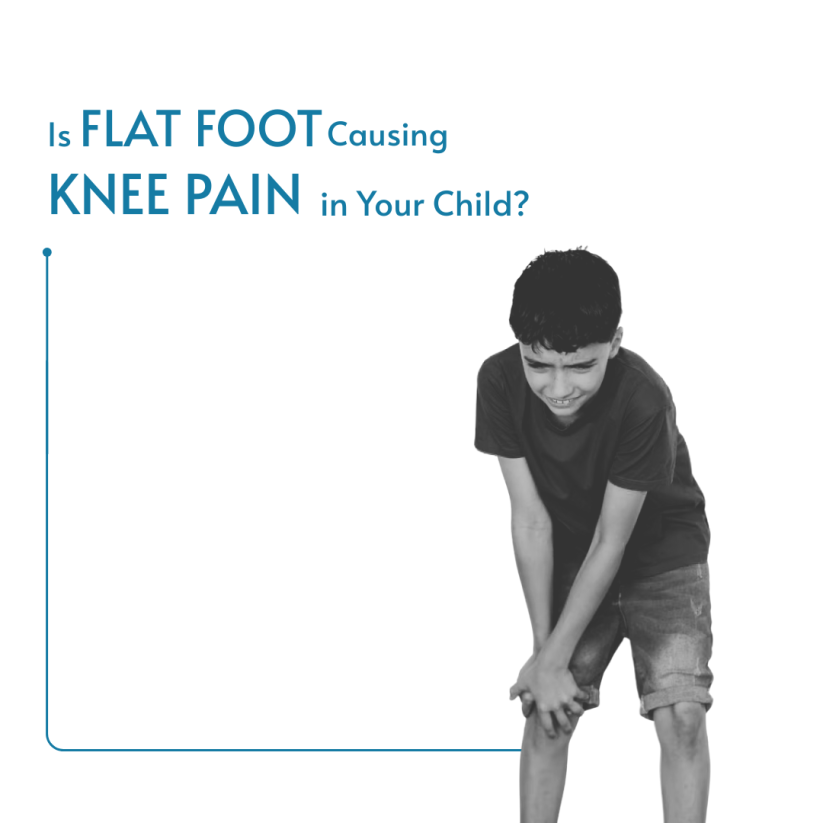
"Many parents don’t realize that flat feet can affect a child’s posture and even lead to knee pain," says Dr. Rohit Jain, Pediatric Orthopedic Surgeon in Kalyan & Thane. "Early intervention can help prevent discomfort and future joint issues."
Flat feet occur when the arches of the feet don’t develop properly, causing the entire sole to touch the ground. This can lead to misalignment in the legs, putting extra strain on the knees.
Children with flat feet may experience:
- Knee pain – Due to improper weight distribution
- Foot fatigue – Discomfort after walking or standing for long periods
- Poor posture – Leading to hip and back pain over time
- Difficulty running or jumping – Reduced stability and balance
Encouraging strengthening exercises, supportive footwear, and early screening can help manage symptoms. If your child complains of knee pain, consult a specialist to ensure proper treatment and prevent long-term issues!
Safety Tips to Prevent Sports Injuries in Children
July 24, 2025"Sports are a great way for kids to build strength, confidence, and teamwork, but safety should always come first," says Dr. Rohit Jain, Pediatric Orthopedic Surgeon in Kalyan- Dombivli & Thane.
Children are more prone to sports injuries because their bodies are still developing. Proper preparation and safety measures can help keep them active and injury-free.
Essential Safety Tips:
Warm-up & Stretching – Always start with light exercises to loosen muscles.
Proper Gear – Ensure kids wear the right shoes, helmets, and protective equipment.
Hydration – Drinking enough water prevents cramps and overheating.
Rest & Recovery – Overuse injuries happen when kids don’t get enough rest between activities.
Supervision & Coaching – Trained coaches can teach safe techniques and prevent accidents.
Know the Signs – If a child complains of pain or discomfort, don’t ignore it—early intervention prevents serious injuries.
Encouraging safe play and proper technique ensures children enjoy sports while staying injury-free. If your child experiences persistent pain, consult a specialist for guidance!
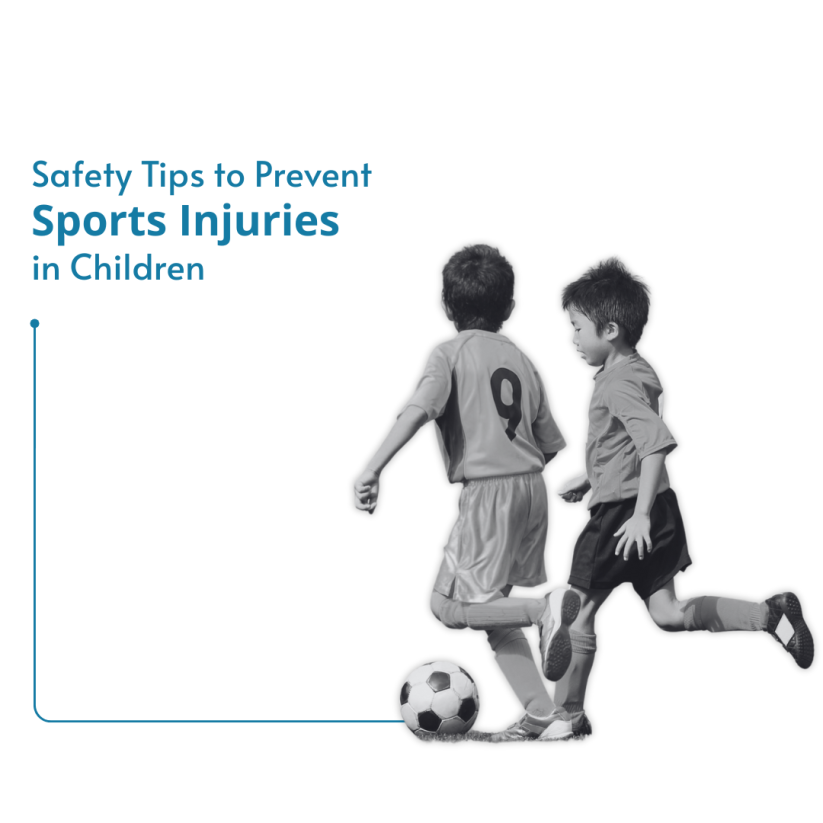
What Causes Joint Infection in Newborns?
July 15, 2025
"Joint infections in newborns can be serious, but early detection and treatment can prevent long-term damage," says Dr. Rohit Jain, pediatric orthopedic surgeon in Kalyan-Dombivali & Thane.
Joint infections, also called septic arthritis, occur when bacteria enter a baby’s bloodstream and settle in the joints. Newborns are especially vulnerable because their immune systems are still developing.- Bacterial infections – Common culprits include Staphylococcus aureus and Group B Streptococcus.
- Premature birth – Preemies have weaker immune defenses, increasing infection risk.
- Birth complications – Prolonged labor or infections during pregnancy can expose babies to harmful bacteria.
- Medical procedures – Invasive treatments like IV lines or surgeries can introduce bacteria.
Symptoms include swelling, redness, fever, and difficulty moving the affected limb. Immediate medical attention is crucial to prevent joint damage. If you notice signs, consult a pediatrician promptly!
Helping Your Child with Flat Feet and Fallen Arches
July 10, 2025"Parents often worry when their child struggles with foot pain or balance issues. Strengthening exercises can help improve stability and prevent future discomfort," says Dr. Rohit Jain, pediatric orthopedic doctor, Kalyan & Thane.
Flat feet occur when the arches of the feet don’t develop properly, causing the entire sole to touch the ground. Fallen arches refer to arches that collapse over time due to weak muscles or excessive strain. Children with these conditions may experience pain, difficulty walking, or poor posture.
Helpful Exercises for Kids:
Toe Curls – Picking up marbles with toes strengthens foot muscles.
Heel Raises – Standing on tiptoes and lowering slowly builds arch support.
Single-Leg Balance – Helps improve stability and strengthens small foot muscles.
Walking on Uneven Surfaces – Grass or sand challenges foot muscles for better arch development.
Encouraging barefoot play and supportive footwear can aid in natural arch formation. If your child complains of foot pain or struggles with balance, consult a pediatric orthopedic doctor for a checkup!

Know the Early Signs of Cerebral Palsy in Children
July 02, 2025
"Parents often worry when their child isn't reaching milestones, but recognizing early signs of cerebral palsy can lead to timely intervention," says Dr. Rohit Jain, Pediatric Orthopedic Surgeon in Kalyan-Dombivli & Thane. "Early therapy can significantly improve mobility and independence."
Cerebral palsy (CP) affects movement and muscle control due to brain development issues. In India, about 3 per 1,000 live births are affected. Parents should watch for signs such as:- Delayed milestones – difficulty lifting the head, sitting, crawling, or walking
- Abnormal muscle tone – muscles may feel too stiff or too floppy
- Favoring one side – using only one hand or dragging one leg while crawling
- Poor balance and coordination – struggle with standing or walking steadily
- Unusual posture – twisting of the body or awkward limb positioning
- Difficulty swallowing or excessive drooling – trouble with eating or speech
Early diagnosis and therapy—such as physiotherapy, medications, and assistive devices—can help children lead more independent lives. If you notice these signs, consult a pediatrician promptly!
Is Your Baby at Risk for Hip Dysplasia?
June 27, 2025"Many parents don’t realize that hip dysplasia- condition where the hip joint doesn’t form properly—can silently affect newborns," says Dr. Rohit Jain, Pediatric Orthopedic Surgeon in Kalyan & Thane. "Early detection is key to preventing lifelong complications."
Hip dysplasia (also called developmental dysplasia of the hip or DDH) is more common in first-born babies, girls, and breech births. In India, delayed diagnosis is a concern, as many cases go unnoticed until a child starts walking Surveillance for Developmental Dysplasia of the Hip in India.
Doctors recommend early screening, especially if there’s a family history. Mild cases may resolve naturally, but severe cases need bracing or surgery. Parents should avoid tight swaddling, which can worsen the condition.
If caught early, treatment is highly successful. Speak to your pediatrician if you notice any signs—your baby’s future mobility depends on it!
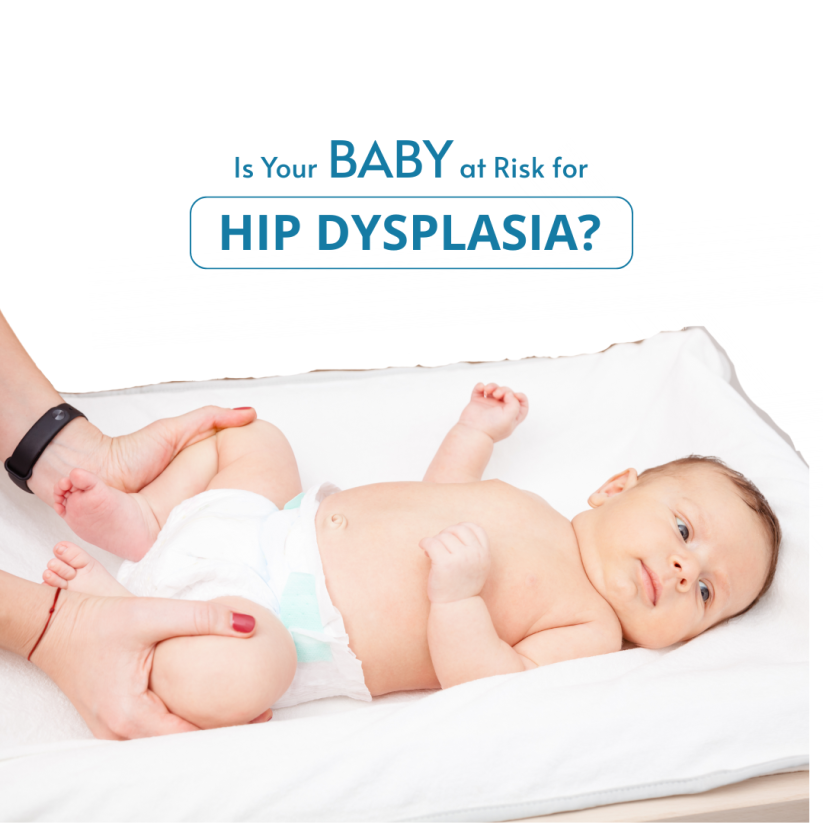
Treating Clubfoot: A Journey to Confident Steps
June 24, 2025
"Every child deserves the chance to walk, run, and play without limitations," says Dr. Rohit Jain, Pediatric Orthopedic Surgeon in Thane. "With early treatment, clubfoot can be corrected, allowing children to lead active, happy lives."
Clubfoot is a condition where a baby’s foot is twisted inward due to tight tendons. The good news? It’s highly treatable! The most effective approach is the Ponseti method, which involves:- Gentle stretching and casting – The baby’s foot is gradually repositioned with weekly casts.
- Minor procedure (Achilles tendon release) – A small procedure to lengthen the tight tendon.
- Bracing – Special shoes and braces keep the foot in the correct position.
With consistent care and parental support, most children grow up walking, running, and playing just like any other child. If your baby has clubfoot, early intervention is key—because every step forward is a step toward a brighter future!
Clubfoot: Know the Symptoms and Causes
June 20, 2025"Clubfoot is a common birth condition, but early treatment can ensure children grow up walking comfortably," says Dr. Rohit Jain, Pediatric Orthopedic Surgeon in Kalyan & Thane.
Clubfoot (also called congenital talipes equinovarus) is a condition where a baby’s foot is twisted inward and downward due to shortened tendons. It affects about 1 in 1,000 newborns. Without treatment, children may struggle with walking and balance.
Symptoms:
- Foot turned inward and downward
- High arch or deep crease on the sole
- Shorter foot or calf muscle
- Stiff ankle with limited movement
Causes & Risk Factors:
- Genetics – Family history increases the risk
- Environmental factors – Smoking during pregnancy or low amniotic fluid levels
- Associated conditions – Sometimes linked to spina bifida or other skeletal issues
Early intervention with casting, bracing, or minor surgery can correct clubfoot effectively. If your baby shows signs, consult a specialist for timely treatment!
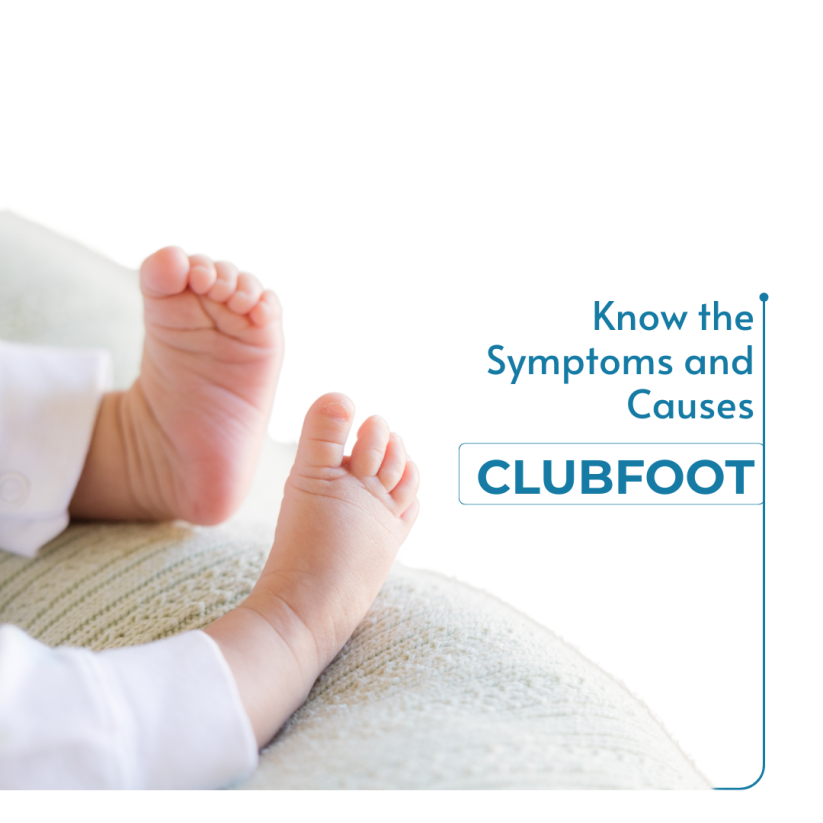
Preventing Slips and Falls in Children During the Rainy Season
June 12, 2025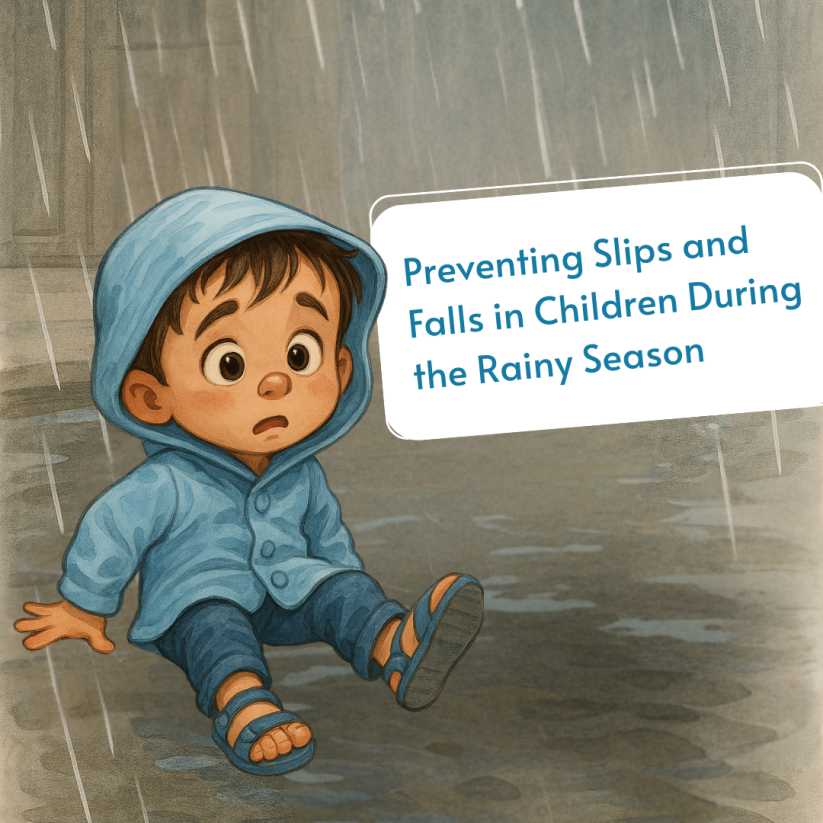
"Rainy days bring fun and excitement, but wet surfaces can increase the risk of slips and falls," says Dr. Rohit Jain, Pediatric Orthopedic Surgeon practicing in Thane, Kalyan, Dombivli and nearby suburbs. "Simple precautions can help keep children safe and injury-free."
Do’s:
- Choose the Right Footwear – Waterproof shoes with good grip prevent slipping.
- Keep Floors Dry – Wipe wet areas at home to avoid accidents.
- Encourage Safe Play – Opt for indoor activities when outdoor surfaces are slippery.
- Teach Careful Walking – Remind kids to walk slowly on wet roads and stairs.
- Ensure Proper Lighting – Dark, rainy days can reduce visibility, increasing fall risks.
Don’ts:
- Avoid Loose or Slippery Footwear – Flip-flops and worn-out shoes can cause falls.
- Don’t Let Kids Run on Wet Surfaces – Running increases the risk of slipping.
- Avoid Playing Near Puddles – Muddy areas can be slippery and unsafe.
- Don’t Ignore Minor Falls – If your child complains of pain, consult a doctor.
With the right precautions, kids can enjoy the monsoon safely while staying active and injury-free!
Clubfoot Awareness Month- June, a message from Dr Rohit Jain, orthopedic doctor for newborns and children in Kalyan
June marks Clubfoot Awareness Month, a time to spread hope and knowledge among parents. Clubfoot is a common condition where a baby’s foot turns inward and downward. It affects approximately 1.18 per 1,000 newborns globally. While it may seem daunting at first, the good news is that it is highly treatable, and with the right care, children can lead completely normal, active lives.
Dr. Rohit Jain, an orthopedic doctor for children and newborns and an expert in clubfoot treatment, strongly advocates for early intervention. One of the most successful approaches is the Ponseti method, a gentle, non-surgical technique involving a series of precise casts that gradually correct the foot's position. This is followed by a small procedure to release a tight tendon and special braces to maintain the correction. When started within the first few weeks of life, this method boasts a success rate of over 90%.
A common myth is that clubfoot happens because of something the mother did during pregnancy, this is false. The exact cause isn’t always known, but genetics may play a role. Some parents also believe that surgery is the only solution, when in reality, Ponseti’s method is the gold standard worldwide, ensuring the child avoids unnecessary operations.
Most importantly, parents should know that a child with clubfoot can run, play, and lead a normal life just like any other child. With the right care at the right time, clubfoot doesn’t have to limit a child’s future. Early consultation with a bone specialist can make all the difference. Every child deserves the chance to step forward with confidence- let’s make sure they get it.
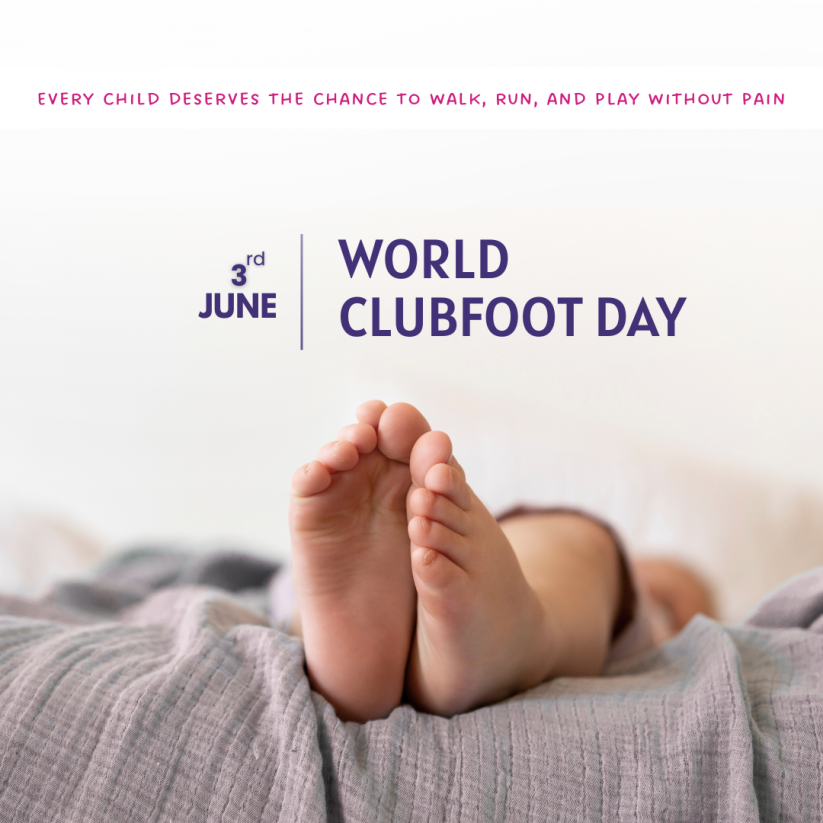
Bone Dislocation in Babies: Signs, Treatment & Prevention
For parents, nothing is more distressing than seeing their baby in pain. While bone dislocations in infants are rare, they can occur due to trauma or congenital conditions. Dr. Rohit Jain, a pediatric orthopedic surgeon, explains, "A dislocation happens when a bone slips out of its joint, causing pain and limited movement."
Recognizing the Signs of a Dislocation
Early recognition is crucial to ensuring timely treatment. If your baby suddenly cries and struggles to move a limb properly, it could signal a dislocation. Look for these common symptoms:
- - Pain and discomfort in the affected area.
- - Swelling or unusual positioning of the joint.
- - Limited movement or reluctance to use the limb.
Dr. Jain emphasizes, "If you suspect a dislocation, seek immediate medical help to ensure proper treatment and avoid long-term complications."
Treatment & Recovery Process
Once diagnosed, doctors typically gently reposition the bone back into its joint. This may be followed by:
- - Immobilization to support healing.
- - Physiotherapy if needed, to restore full movement.
"With timely intervention, most babies recover well and regain normal mobility”, reassures Dr. Jain.
Taking precautionary steps can help prevent accidents and reduce the risk of dislocation:
- - Provide a safe play area: Remove sharp objects or unstable furniture.
- - Avoid excessive pressure on joints: Be cautious while handling newborns, ensuring gentle movements.
- - Monitor developmental milestones: If concerns arise, consulting a pediatric orthopedic specialist can provide clarity.
If your child has any bone-related concerns, visit a pediatric orthopedic doctor for expert advice.
Understanding Bowlegs in Children: Causes & When to Seek Help
Bowlegs, medically known as genu varum, are a common condition in infants and young children. This is characterized by the outward curving of the legs, giving them a bow-like appearance. Dr. Rohit Jain, a renowned pediatric orthopedic surgeon, explains that in most cases, this is a natural part of a child's development. "Bowlegs often result from the baby's position in the womb and typically straighten as the child grows,"* he says.
When Are Bowlegs Normal?
For many children, bowlegs are temporary and resolve on their own:
- - Most infants have bowed legs at birth due to their curled-up position in the womb.
- - By age 2 or 3, the legs naturally straighten without intervention.
Parents often notice a change in their child's posture as they begin walking, and this gradual correction is completely normal.
When Should Parents Be Concerned?
While bowlegs usually improve with time, persistent or worsening curvature may indicate an underlying medical issue, such as:
- - Blount’s disease: A condition affecting the growth plates in the leg bones, leading to abnormal development.
- - Rickets: Caused by a deficiency in vitamin D, leading to weakened bones and improper growth.
Dr. Jain stresses, "It’s important for parents to monitor their child’s leg development and seek medical advice if the condition does not improve or worsens."
Parents can take steps to promote strong bones and reduce the risk of complications:
- - Ensure adequate nutrition: A diet rich in calcium and vitamin D supports proper bone growth.
- - Encourage physical activity: Running, jumping, and active play help strengthen leg muscles and bones.
- - Monitor developmental milestones: If concerns arise, consulting a pediatric orthopedic doctor can provide guidance.
Early intervention can help prevent long-term complications. If your child’s bowlegs persist or appear abnormal, a pediatric orthopedic doctor can assess the condition and recommend the best course of action.
Understanding Congenital Vertical Talus: Early Diagnosis & Treatment
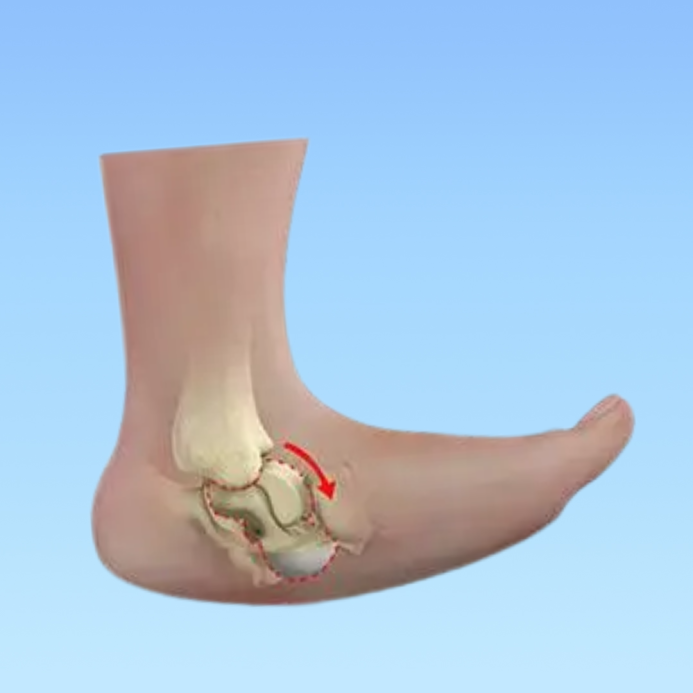
Congenital vertical talus, commonly known as rocker-bottom foot, is a rare yet serious condition that affects newborns. It is characterized by a rigid, upward-facing sole and an unusually prominent arch. Dr. Rohit Jain, a leading pediatric orthopedic surgeon, explains, "Congenital vertical talus occurs when the talus bone in the foot is misaligned, causing the foot to appear abnormally shaped."
Identifying the Condition Early
Early detection plays a crucial role in managing congenital vertical talus effectively. Parents and doctors can recognize the condition shortly after birth through
- - Physical examination: Noticing the foot’s abnormal shape and rigid positioning.
- - Imaging studies: X-rays confirm misalignment of the talus bone.
Treatment Options: Steps Toward Correcting Foot Alignment
Dr. Jain emphasizes that timely intervention is essential in improving mobility and preventing long-term complications. Common approaches to treatment include:
- - Serial casting: Gentle repositioning of the foot through carefully applied casts.
- - Bracing: Maintaining proper alignment after initial corrections.
- - Surgery: In severe cases, surgical procedures may be necessary to realign the bones and tendons.
"Timely treatment can significantly improve the child's ability to walk and prevent future issues,"* advises Dr. Jain.
Signs Parents Should Watch For
While the condition is often diagnosed at birth, some signs may become more noticeable as the child grows, such as:
- - Difficulty fitting into regular shoes.
- - A visibly rigid or deformed foot structure.
- - Limited mobility due to misalignment.
Raising awareness and taking early steps toward treatment can help your child walk confidently and comfortably.
If your child exhibits any signs of congenital vertical talus, consulting a pediatric orthopedic surgeon can help determine the best course of action.
Best ways to protect your child from falls and slips at home
Living in city apartments comes with its own set of challenges when it comes to child safety. Limited space, tiled floors, and high-rise balconies mean parents need to take extra precautions to prevent falls and slips. Dr. Rohit Jain, a pediatric orthopedic surgeon in Kalyan, Dombivli, Thane and Mulund, highlights that simple modifications can make a big difference in ensuring a safe home for little ones. "Falls and slips can lead to serious injuries, especially in young children whose bones are still developing," he explains.
Practical Steps to Prevent Falls at Home
With compact living spaces, thoughtful adjustments can greatly enhance safety:
- -Use Cushioned Play Mats: Tiled and marble floors can be slippery, especially when wet. Non-slip, cushioned play mats in play areas provide a safer surface.
- -Secure Rugs & Carpets: Make sure rugs are anchored properly to avoid unexpected trips and falls.
- -Install Safety Grills: Install safety grills on windows and balconies.
- -Optimize Lighting: Dimly lit hallways or balconies can increase fall risk—ensure ample lighting in key areas.
Dr. Jain emphasizes, "These small changes can help prevent accidents and provide a secure space for your child to explore freely."
Nutrition: Building Stronger Bones for Resilience
In addition to home safety, good nutrition strengthens bones, making them less prone to fractures:
- - Calcium-rich foods: Dairy products, green vegetables, and nuts support healthy bone development.
- - Vitamin D sources: Sunlight exposure, fortified cereals, and certain fish help in calcium absorption.
- - Encourage movement: Indoor activities like yoga and light exercises improve balance and strengthen muscles.
Dr. Jain advises, "A combination of a balanced diet and regular physical activity is key to overall bone health."
By making thoughtful changes in your house, you can create a safer, more secure home for your child to enjoy their childhood.
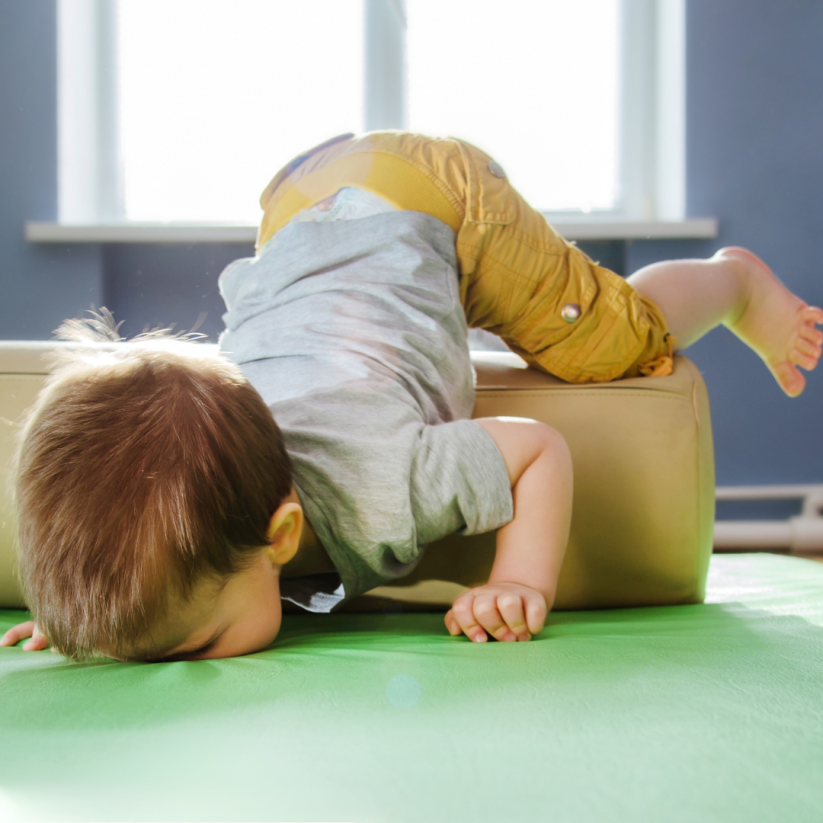
Common Birth Orthopedic Issues in Kids
"Every parent dream of their child taking their first steps, but sometimes, those steps need a little extra care." Dr. Rohit Jain, a pediatric orthopedic surgeon, explains some common congenital orthopedic problems that parents should be aware of.
1. Clubfoot Clubfoot is a condition where a newborn's foot is twisted out of shape or position, affecting one or both feet. Dr. Jain explains, "This condition can be identified at birth and is usually treated with casting or surgery to correct the foot's position."
2. Developmental Dysplasia of the Hip (DDH) DDH occurs when the hip joint is not properly formed, allowing the femoral head to slip in and out of the hip socket. "Early detection through physical exams and ultrasounds is key to managing DDH effectively," says Dr. Jain. Treatment may include harnesses or surgery, depending on the severity.
3. Metatarsus Adductus Metatarsus Adductus is when the front half of the foot turns inward, often due to the baby's position in the womb. Dr. Jain notes, "This condition is usually mild and can often be corrected with stretching exercises or special shoes."
4. Osteogenesis Imperfecta (OI) Also known as brittle bone disease, OI causes fragile bones that break easily. "OI is a genetic condition that requires careful management to prevent fractures and ensure proper bone health," explains Dr. Jain. Treatment may include medications, physical therapy, and sometimes surgery.
5. Congenital Limb Defects Congenital limb defects occur when limbs or parts of limbs do not develop properly, resulting in missing, shortened, or malformed limbs. Dr. Jain emphasizes, "Early intervention with prosthetics or surgery can help children lead active and fulfilling lives." Statistics show that congenital limb deformities occur in about 1 in 2,000 births. These can range from missing fingers to shorter limbs. Modern surgical techniques and prosthetics offer hope for children to lead active lives.
6. Spine Deformities
Conditions like scoliosis and kyphosis involve curvature of the spine. "Regular check-ups and early treatment are crucial for managing spine deformities," advises Dr. Jain. Treatment options may include bracing or surgery, depending on the severity.
Dr. Rohit Jain emphasizes the importance of early diagnosis: "Parents should trust their instincts. If something feels off about your baby's movements, consult a specialist immediately.”
Remember, early intervention is the best gift you can give your little one.
Growth Plate Fractures: What You Need to Know
As parents, we all want our kids to be active and enjoy their childhood to the fullest. But with all that running, jumping, and playing, injuries can happen. Dr. Rohit Jain, a specialist in children's bone health, shares important information about growth plate fractures, a common injury in active kids. What Are Growth Plates?
Growth plates are areas of developing tissue at the ends of long bones in children and teenagers. They play a crucial role in bone growth and are the last parts of the bones to harden. This makes them particularly vulnerable to injury. Think of them as the "construction zones" of your child's bones. What Causes Growth Plate Fractures?
Dr. Jain explains that growth plate fractures often result from falls, sports injuries, or accidents. Overuse, especially in young athletes, can also lead to these fractures. "Kids who are very active or involved in sports are at a higher risk of growth plate injuries," says Dr. Jain. Imagine your child playing cricket, football, or tennis – these are all scenarios where growth plate fractures can occur. What Are the Symptoms?
Symptoms of growth plate fractures include:
- Pain and tenderness
- Swelling
- Difficulty moving the affected limb
- Warmth in the injured area
If your child comes to you after a fall, complaining of pain and showing any of these symptoms, it's important to seek medical attention promptly. Dr. Jain advises, "Parents should be on the lookout for these signs, especially after their child has had a fall or injury."
How Are Growth Plate Fractures Diagnosed?
Diagnosing growth plate fractures can be tricky because growth plates may not show clearly on X-rays. Dr. Jain notes, "In some cases, MRI or CT scans may be needed to get an accurate diagnosis." What Is the Treatment? Most growth plate fractures are treated with casts or splints to immobilize the area and allow it to heal. In some cases, surgery may be necessary to ensure proper alignment and growth. Dr. Jain warns, "Untreated fractures can lead to complications like limb length discrepancies or angular deformities, so it's crucial to consult an orthopedic doctor promptly if you suspect a fracture." If you suspect your child has a growth plate fracture, promptly consult a pediatric orthopedic doctor for immediate treatment and care.
Top 3 Childhood Injuries: Insights from Dr. Rohit Jain
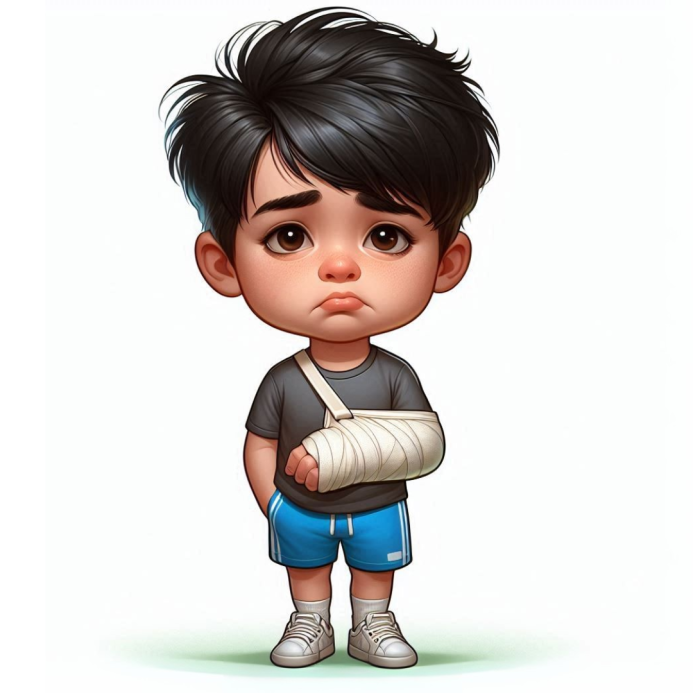
Top 3 Childhood Injuries: Insights from Dr. Rohit Jain As parents, keeping our children safe is always a top priority. Dr. Rohit Jain, a pediatric orthopedic surgeon, shares his insights on the three most common injuries in children and how we can prevent them.
1. Falls are the most common cause of injuries in children.
They often happen during playtime, especially on playgrounds, stairs, or from furniture. These falls can lead to fractures, head injuries, and sprains. Dr. Jain says, "Kids are naturally curious and active, which makes them prone to falls. Making sure play areas are safe and keeping an eye on young children can greatly reduce the risk of falls."
2. Being Struck by or Against ObjectsThis type of injury occurs when children are hit by objects or bump into something. It's common in sports and play activities, leading to bruises, fractures, and sometimes more serious injuries. "Sports and active play are important for a child's growth, but they also come with risks. Using the right protective gear and teaching kids safe play techniques can help reduce these injuries," advises Dr. Jain.
3. Overuse Injuries.Overuse injuries happen when children repeatedly use the same muscles or joints, often seen in young athletes. Common overuse injuries include stress fractures, tendonitis, and growth plate injuries. Dr. Jain notes, "While sports are great, it's important to make sure kids don't overdo it. Encouraging a balanced approach to physical activity and allowing enough rest can prevent overuse injuries."
Prevention and Treatment
Dr. Jain emphasizes the importance of supervision and safety measures to prevent these injuries. He states, "Parents and caregivers play a key role in keeping children safe. Simple steps like childproofing the home, using safety gates, and providing proper sports equipment can make a big difference."
If an injury happens, getting medical help quickly is crucial for proper treatment and recovery. "Prompt treatment can prevent complications and ensure a quicker recovery." Dr. Jain advises
By creating a safe environment and promoting healthy habits, we can ensure that children enjoy their adventures with minimal risks.
Birth Trauma: Top Cause of Newborn Orthopedic Injuries, explained by Dr. Rohit Jain, Pediatric Orthopedic Surgeon
Welcoming a newborn into the world is a joyous occasion, but it can also come with challenges. Dr. Rohit Jain, a pediatric orthopedic surgeon, explains that birth trauma is the leading cause of orthopedic injuries in infants. Understanding these injuries and knowing what to look for can help parents ensure their baby's health and well-being.
What is Birth Trauma?
Birth trauma refers to injuries that occur during the delivery process. These injuries are more likely if the baby is in an awkward position, is larger than average, or if medical instruments like forceps or a vacuum are used during delivery. Dr. Jain notes, "The most common injury we see is a clavicle fracture, or broken collarbone, which can happen when the baby's shoulders get stuck during birth."
Signs to Watch For
Parents should be vigilant for signs of birth trauma in their newborns. Dr. Jain advises looking out for:
- Excessive crying
- Difficulty moving one arm
- One arm moving differently than the other
"If you notice any of these symptoms, it's important to consult a pediatric orthopedic surgeon promptly for proper diagnosis and treatment," says Dr. Jain.
Diagnosis and Treatment
Early diagnosis and treatment are crucial for newborns with birth trauma. Dr. Jain emphasizes, "Prompt medical attention can ensure proper healing and prevent long-term complications. Treatment may include immobilizing the affected area and providing pain relief to help the baby recover comfortably."
Understanding birth trauma and its potential impact on newborns is essential for parents. If you have any concerns about your newborn's health, visit a pediatric orthopedic surgeon for guidance and support.
Preventing Pulled Elbow (Nursemaid's Elbow): Safety Tips for Parents
Parents often pull their babies while walking or in a hurry when the baby is walking slowly. Did you know that a simple tug can cause your toddler’s elbow to dislocate? Pulled elbow, also known as Nursemaid's Elbow, is a common injury in young children caused by a sudden pull or jerk. Awareness and preventive measures can help keep your child safe from this painful condition.
Safety Tips
To prevent pulled elbow, avoid lifting or swinging your child by their hands or wrists. Instead, lift them from under their arms. If your child experiences a dislocated elbow, you may notice they hold their arm limply by their side and avoid using it due to pain.
Consult an Orthopedic Doctor
Raising awareness about this injury can help prevent it effectively. If you suspect a pulled elbow, seek immediate medical attention from a pediatric orthopedic doctor. Early intervention ensures that the elbow is correctly repositioned, preventing further complications and pain.
Parents, be vigilant about your little one's elbow and take steps to prevent pulled elbow. For more information or to schedule a consultation, reach out to Dr. Rohit Jain, pediatric orthopedic doctor in Thane, Kalyan-Dombivli, Mulund, and nearby suburbs.
Knee Pain in Kids: Causes, Symptoms, and Home Care Tips
Is your child complaining about knee pain that’s affecting their playtime? Knee pain in children is a common issue that can stem from various causes like growing pains, injuries, or overuse from sports activities. Understanding the reasons behind the pain and knowing home care tips can help manage their discomfort effectively, says Dr. Rohit Jain, a pediatric orthopedic surgeon based in Thane, Kalyan-Dombivli, Mulund, and nearby suburbs.
What are the symptoms and causes of knee pain?
Knee pain in children often manifests as swelling, stiffness, and difficulty walking or climbing stairs. These symptoms can arise from growing pains, minor injuries, or overuse due to sports and other physical activities.
What to do?
Dr. Jain suggests several home care tips to help alleviate your child's knee pain:
- Applying ice packs to the affected area can reduce swelling and numb the pain.
- Ensure your child gets adequate rest to allow the knee to heal.
- Encourage gentle stretching exercises to maintain flexibility and strengthen the muscles around the knee.
- Over-the-counter pain relievers may be used, but only after consulting your child’s doctor.
If these home remedies don't help and if the pain persists or worsens, take your child to a pediatric orthopedic doctor. These specialists can diagnose underlying conditions and provide appropriate treatment.
For more information or to schedule a consultation, reach out to Dr. Rohit Jain, pediatric orthopedic doctor in Thane, Kalyan-Dombivli, Mulund, and nearby suburbs.
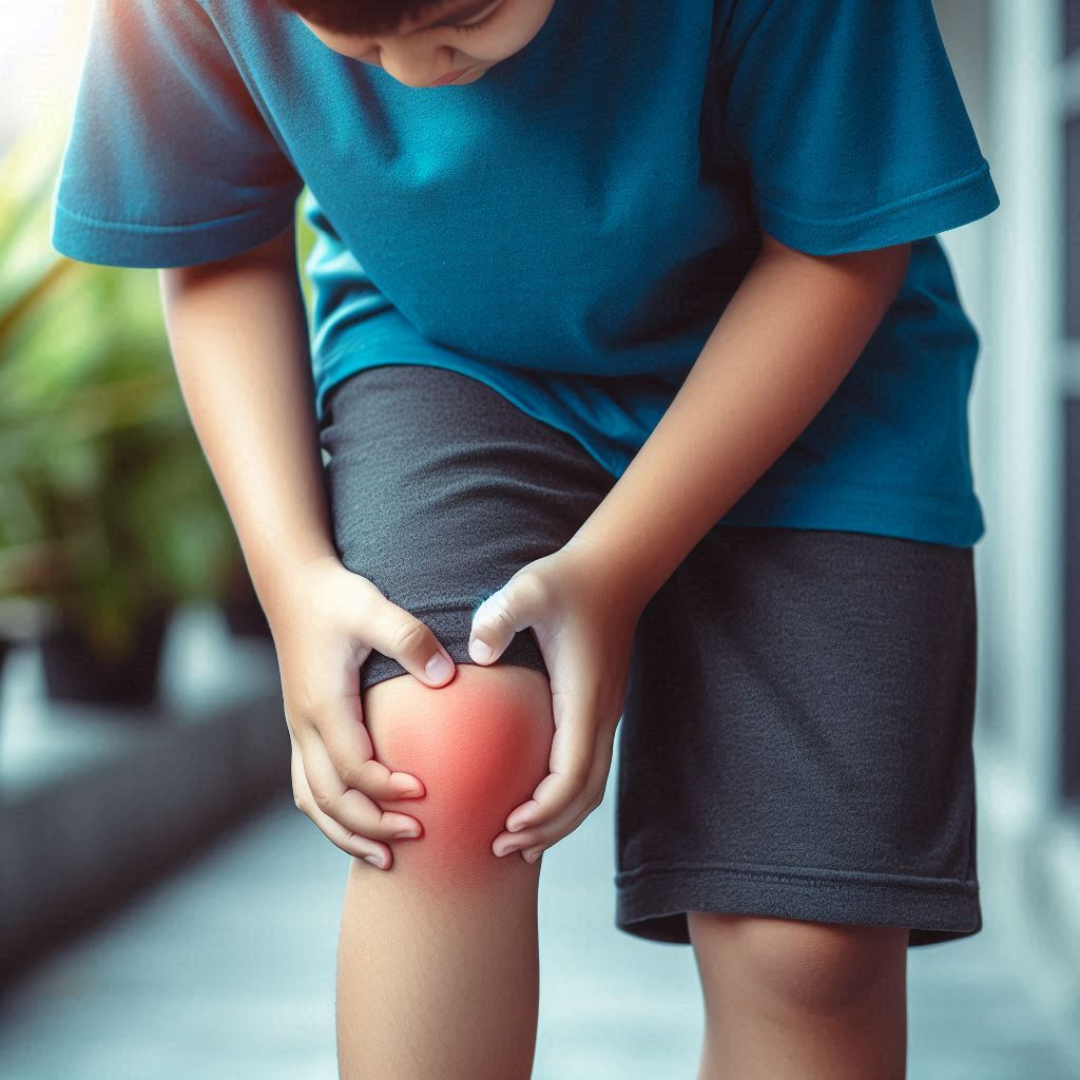
March Forward: National Cerebral Palsy Awareness Month
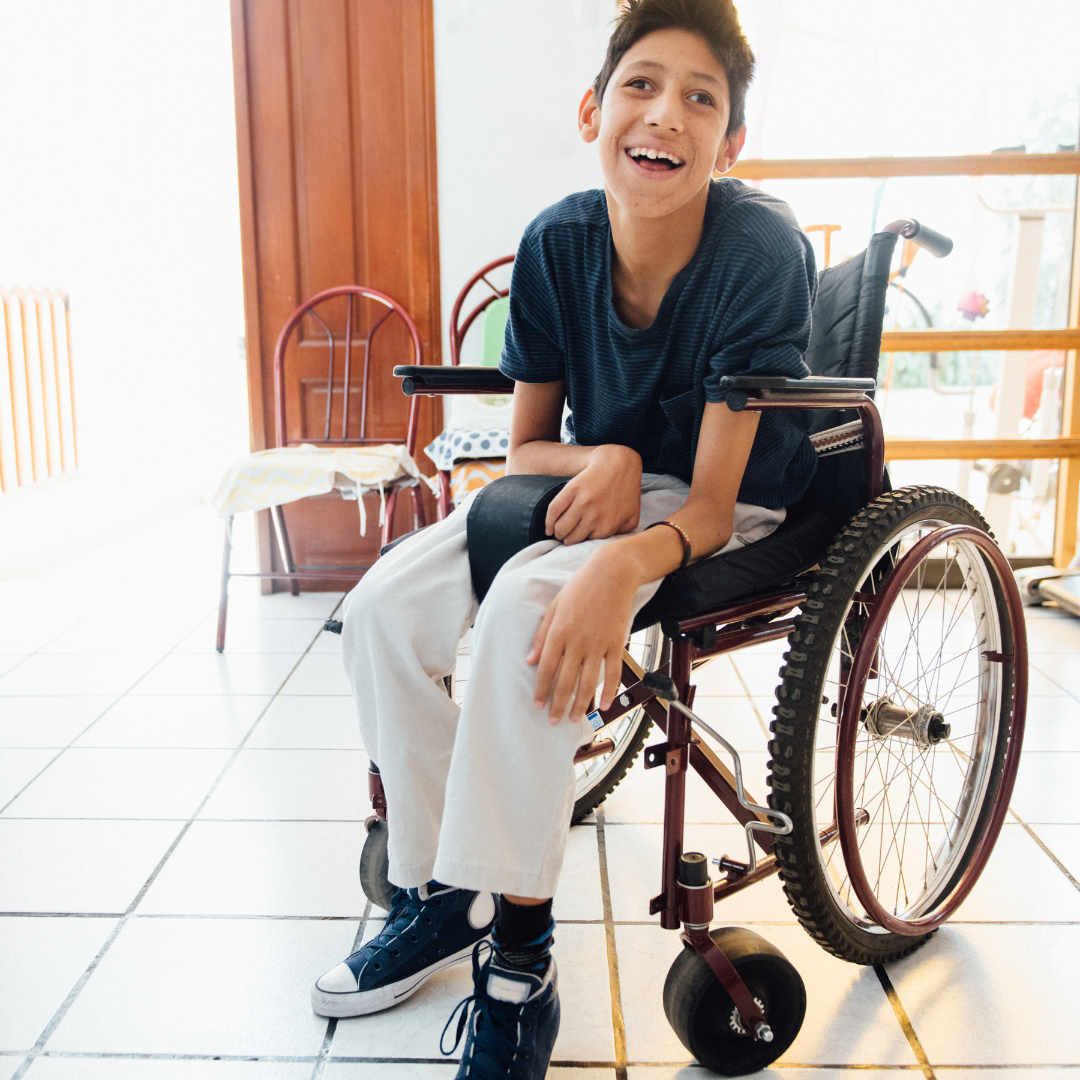
Many people believe that children with cerebral palsy (CP) cannot lead active, fulfilling lives, but this is far from the truth. With the right support and early intervention, children with CP can achieve their full potential and enjoy a high quality of life.
It's also a common misconception that CP is a progressive disease. CP is a non-progressive disorder, meaning it does not worsen over time. However, early diagnosis and treatment are crucial for managing symptoms and improving outcomes.
March is National Cerebral Palsy Awareness Month, a time to raise awareness about cerebral palsy and support those affected by it. Dr. Rohit Jain, a child specialist and orthopedic doctor for children, emphasizes the crucial role of pediatric orthopedic doctors in managing CP.
Cerebral palsy is a group of disorders that affect movement and muscle tone, caused by damage to the developing brain. Symptoms may include stiff muscles, involuntary movements, and balance issues.
Pediatric orthopedic surgeons specialize in diagnosing and treating musculoskeletal issues in children with CP. They create customized treatment plans, including physiotherapy, braces, or surgery, to improve mobility and function.
Early consultation with an orthopedic surgeon can significantly improve a child’s quality of life, making early intervention essential.
Here are some steps you can take to support your child with cerebral palsy:
- Seek Early Diagnosis
- Follow Treatment
- Encourage Physical Activity
- Provide Emotional Support
Let's raise awareness this March and support children with cerebral palsy, ensuring they receive the specialized care they need. Together, we can make a difference in their lives and help them achieve their full potential. Remember, early intervention and unwavering support are what these children need!
12.5 million Overweight Kids in India: It’s a Wakeup Call!
Did you know that in 2022, 12.5 million children in India aged 5-19 years were overweight? This staggering number highlights the growing issue of childhood obesity and its serious health implications.
World Obesity Day, observed on March 4, aims to raise awareness about this global epidemic. Dr. Rohit Jain, a well-known child specialist and orthopedic doctor for children, explains how obesity affects children's bones and joints.
Obesity, which means having too much body fat, can lead to severe health problems. For children, carrying extra weight puts a lot of stress on their bones and joints. This can cause conditions like slipped capital femoral epiphysis (SCFE) and Blount's disease. Obese children are also more likely to suffer from fractures and may face complications during treatment because of their weight.
One of the main reasons for childhood obesity is unhealthy eating habits, especially eating too much junk food. Another big factor is not getting enough exercise. When children don't move around enough, they gain weight, which makes it even harder for them to be active. It's a vicious cycle.
On this World Obesity Day, let's come together to help our children grow up healthy and fit. By encouraging balanced diets and regular physical activity, we can ensure they enjoy their childhood with lots of fun and activity, free from pain.
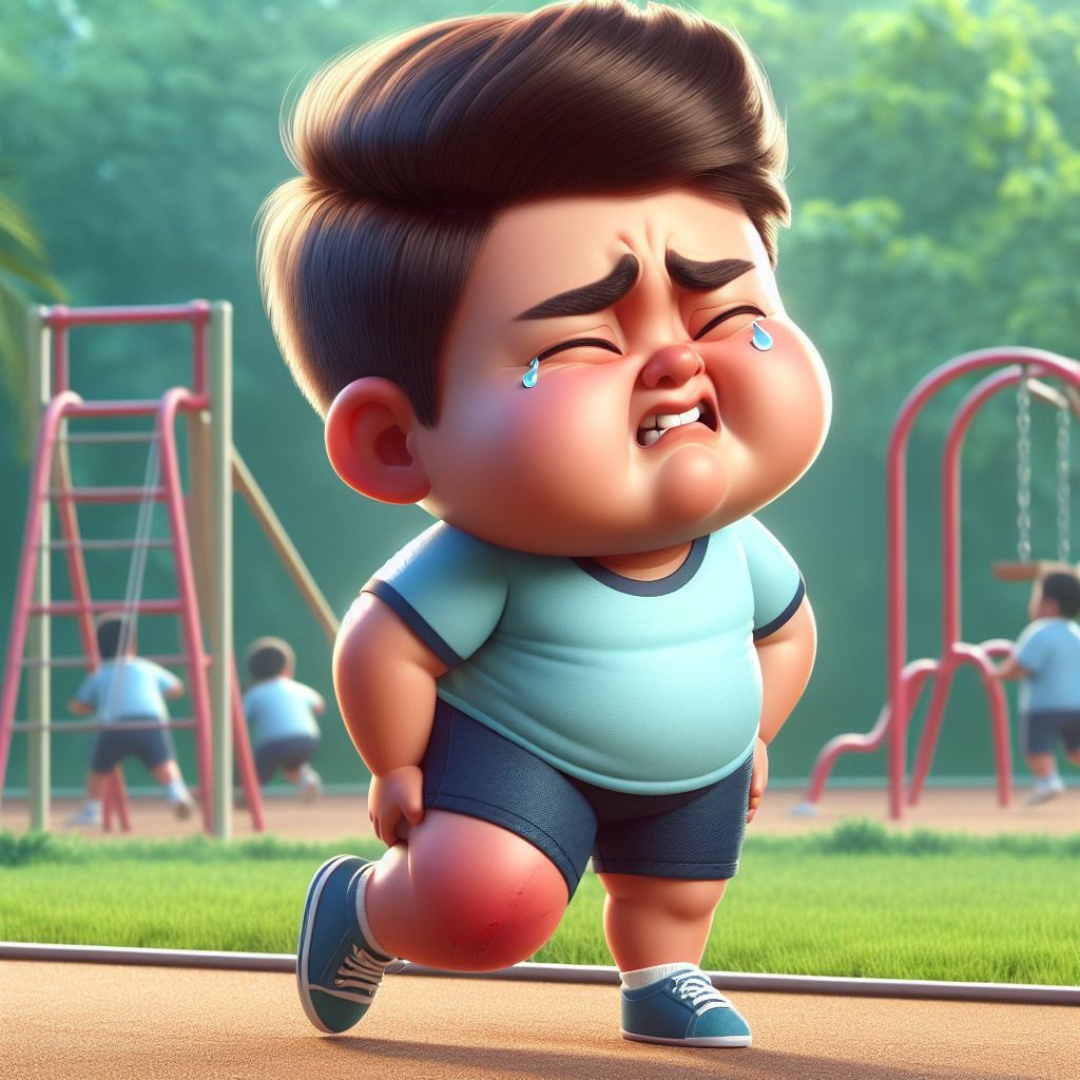
Ever Noticed One of Your Baby’s Legs Looking Different? Signs of Hip Dysplasia
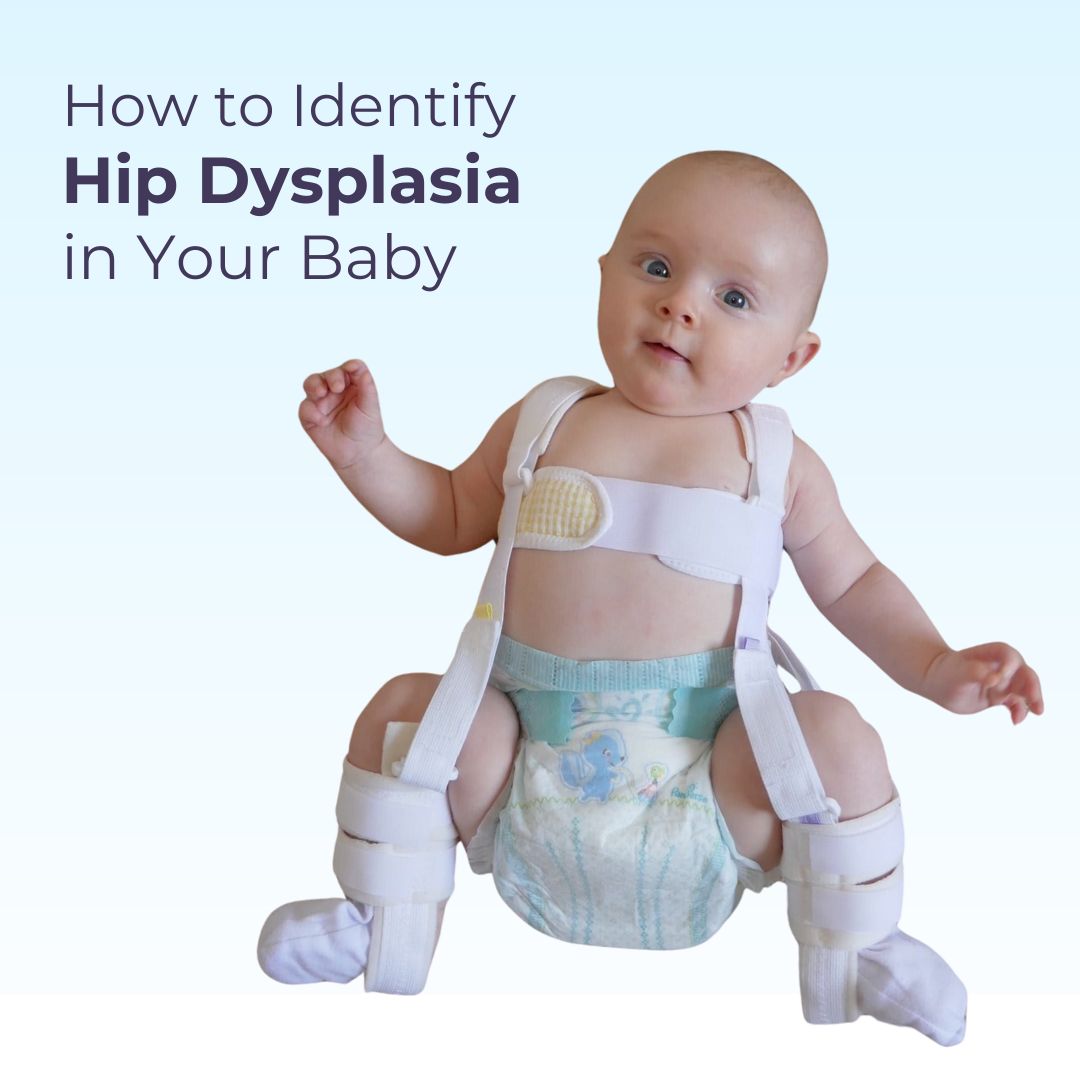
Ever noticed one of your baby’s legs looking a bit different from the other? Dr. Rohit Jain, a pediatric orthopedic surgeon based in Thane, Kalyan-Dombivli, Mulund, and nearby suburbs, points out that asymmetry in your baby’s leg folds could be a sign of developmental dysplasia of the hip (DDH). This condition, where the hip joint doesn't form properly, is often detected in newborns and infants. Early treatment can make a huge difference in ensuring your baby’s healthy development.
Importance of Early Detection
Pediatricians typically perform the Ortolani and Barlow manoeuvres to check for DDH. If any irregularities are detected, further diagnostic tests such as an ultrasound or X-ray might be recommended.
Treatment Options
When it comes to treatment, options for DDH range from using specialized harnesses that keep the hip in the correct position to, in more severe cases, undergoing surgery. Catching DDH early and providing appropriate treatment can prevent future complications like arthritis in the hip.
If you spot any unusual hip or leg movements in your baby, it’s important to consult a pediatric orthopedic doctor without delay. Early intervention ensures proper hip development and significantly improves your child’s quality of life.
For more information or to schedule a consultation, get in touch with Dr. Rohit Jain, pediatric orthopedic doctor in Thane, Kalyan-Dombivli, Mulund, and nearby suburbs.
Spotting and Correcting Poor Posture in Kids: A Parent's Guide
Ever noticed your child slouching frequently? Dr. Rohit Jain, a pediatric orthopedic surgeon based in Thane, Kalyan-Dombivli, Mulund, and nearby suburbs, highlights that poor posture can significantly impact your child’s health and development. Proper posture helps prevent issues like back pain, spine misalignment, and can even affect breathing and digestion. Early education and correction play a pivotal role in ensuring your child develops a good posture to grow up healthy and strong.
Importance of Good Posture
Dr. Jain emphasizes that parents should encourage their children to sit up straight, keep both feet flat on the ground, and avoid slouching. Activities like yoga and stretching exercises can help strengthen their core muscles, promoting better posture. Additionally, it’s important to ensure that their study and play areas are ergonomically designed, with chairs and desks suited to their height.
Common Habits Leading to Poor Posture
Several everyday habits can contribute to poor posture in children:
- Excessive Screen Time: Spending too much time hunched over phones, tablets, or computers.
- Heavy Backpacks: Carrying heavy backpacks improperly can strain the back and shoulders.
- Lack of Physical Activity: Insufficient exercise and prolonged sitting can weaken core muscles.
- Slumping in Chairs: Sitting with a rounded back or sliding down in chairs.
Raising awareness about the importance of good posture can set a strong foundation for your child’s growth and health. If you notice signs of postural issues, consult a pediatric orthopedic doctor for guidance and corrective measures.
For more information or to schedule a consultation, reach out to Dr. Rohit Jain, orthopedic doctor for children in Thane, Kalyan-Dombivli, Mulund, and nearby suburbs.
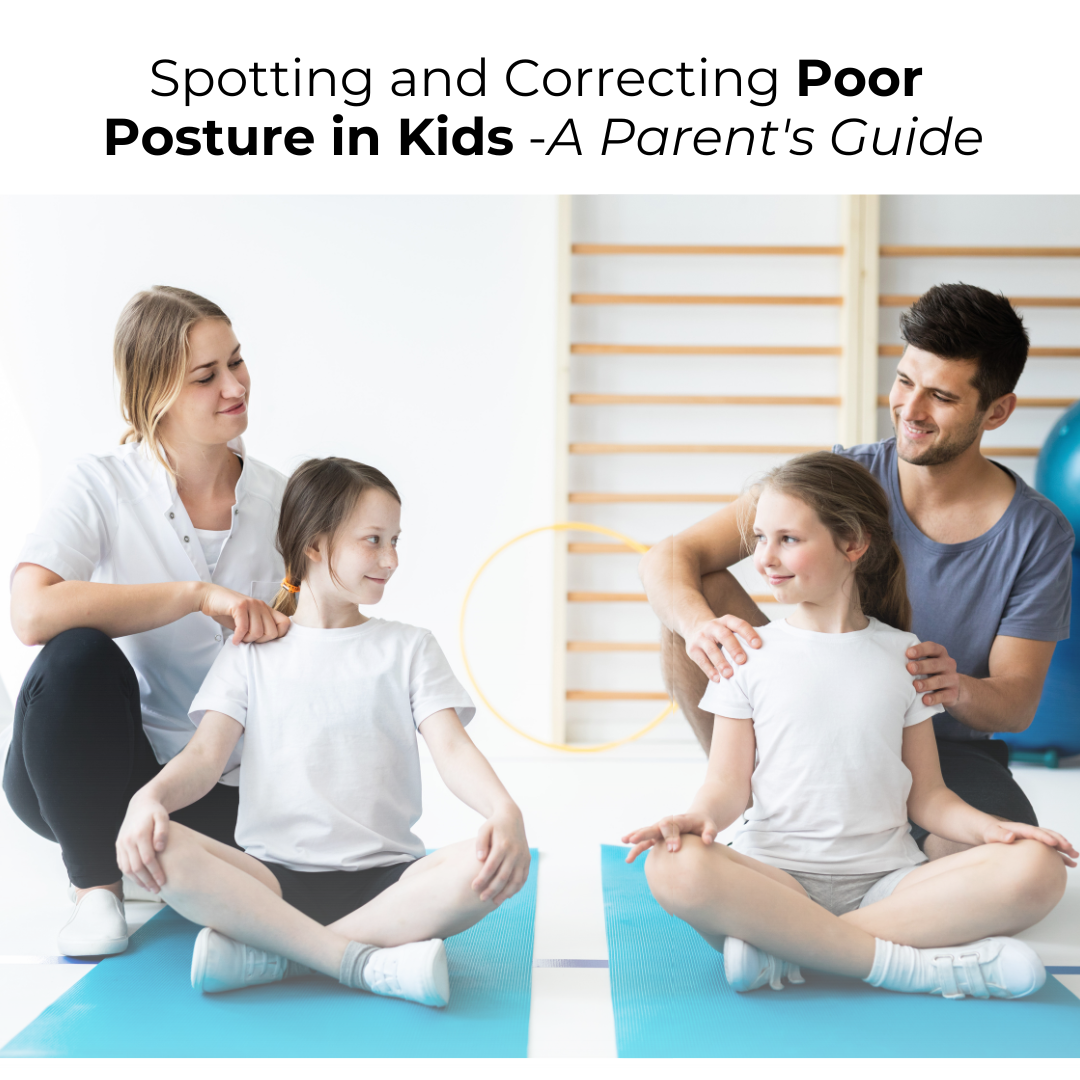
Is Your Baby’s Head Tilted? Early Signs of Torticollis
Have you noticed your little one's head persistently tilting to one side? Dr. Rohit Jain, a pediatric orthopedic surgeon based in Thane, Kalyan-Dombivli, Mulund, and nearby suburbs, highlights that this could be a sign of torticollis—a common condition often present at birth.
Understanding Torticollis
Torticollis, typically identified when babies start to control their head movement, is characterized by a limited range of motion in the head and neck. The head tilts to one side while the chin points to the opposite direction.
Importance of Early Intervention
As a child bone specialist, Dr. Rohit Jain emphasizes the significance of early intervention, such as physiotherapy, in effectively treating torticollis. Physiotherapy helps by stretching and strengthening the neck muscles, ensuring better head and neck movement. Addressing torticollis early can also help prevent associated conditions like plagiocephaly, where the head and face may appear asymmetrical.
Monitoring and Treatment Options
Monitoring your child's posture from an early age is essential for their overall health and development. Treatment options for torticollis may include physiotherapy, exercises, and in some cases, the use of supportive devices. Dr. Jain advises parents to consult a pediatric orthopedic doctor if they notice any unusual head or neck positioning in their child for proper diagnosis and guidance.
For more information or to schedule a consultation, reach out to Dr. Rohit Jain, orthopedic doctor for children in Thane, Kalyan-Dombivli, Mulund, and nearby suburbs.
Understanding Bow Legs in Children: What Parents Need to Know
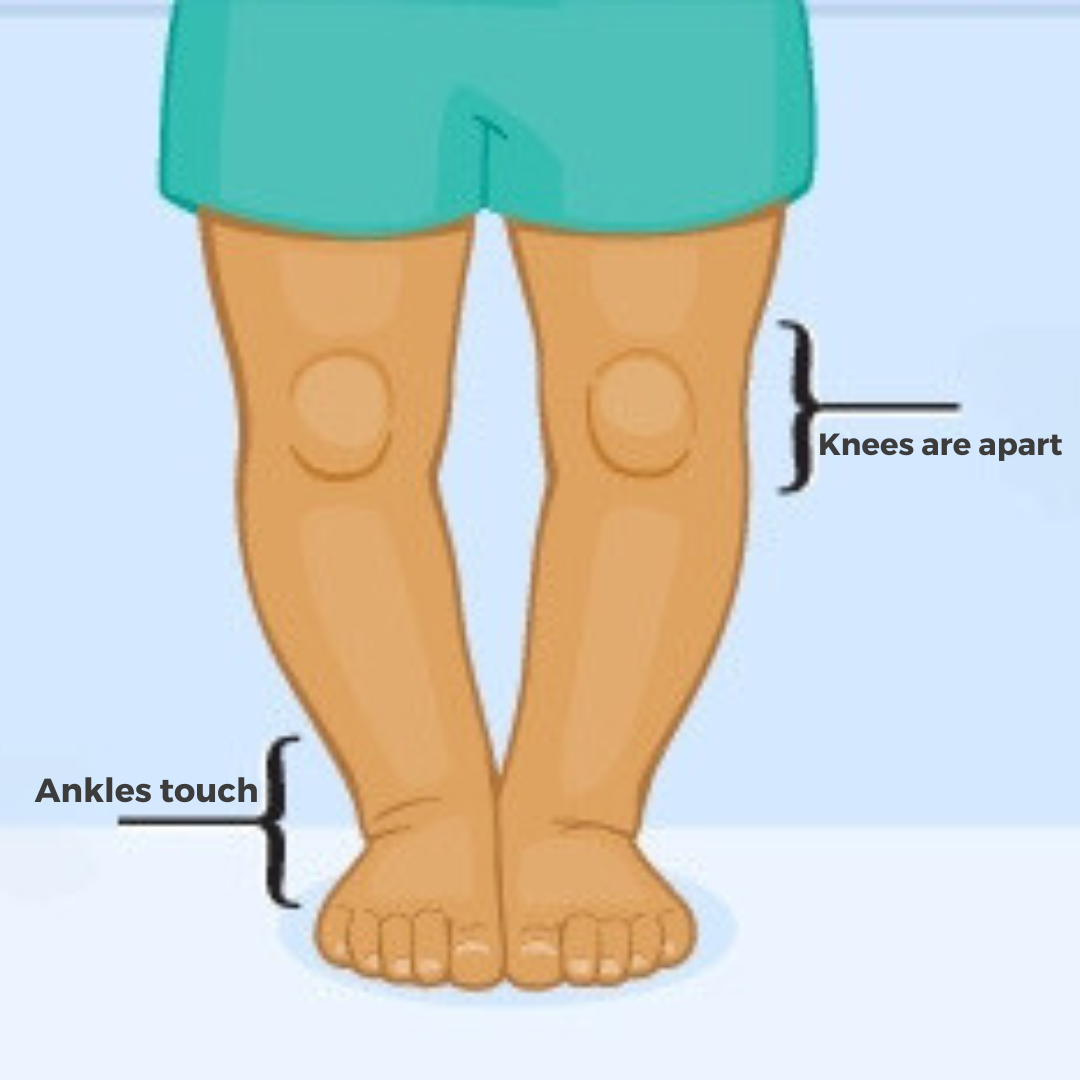
Insights from Dr. Rohit Jain, Orthopedic Surgeon for Children
Parents, have you noticed your child's legs looking curved or bent? When babies start walking, their legs often appear bowed, which is perfectly normal. Dr. Rohit Jain, an experienced orthopedic surgeon in Kalyan, Thane, Navi Mumbai, and Mulund, specializes in treating bone-related problems in children. Learn more from him about bow legs in children and the available treatment options below.
What Are Bow Legs?
Bow legs, or genu varum, are a condition where a child’s legs curve outward at the knees while the ankles touch. This condition is common in toddlers and often resolves on its own by the age of 3-4 years.
Is It Normal?
In most cases, bow legs are a natural part of a child's growth and development. This condition, known as residual physiological bowing, is often caused by the baby's position in the womb. As the child grows, the legs usually straighten out naturally by the age of 3-4 years.
When to Worry?
If bow legs persist beyond the age of 4 or worsen, it might be a sign of an underlying issue such as Blount’s disease or rickets, which affects bone growth. Additionally, severe bowing that causes pain or interference with walking also indicates a need for medical evaluation.
What Can Be Done?
- Observation: For most children, simple observation and regular check-ups are sufficient.
- Vitamin D and Calcium: Ensuring your child gets enough Vitamin D and calcium supports healthy bone development.
- Orthotics and Bracing: In some cases, doctors may recommend orthotic devices or bracing to correct the alignment.
- Surgery: In rare, severe cases, surgery might be necessary to correct the bowing.
Dr. Rohit Jain emphasizes that early intervention can lead to better outcomes. If you have concerns about your child’s leg alignment, don’t hesitate to consult with a specialist.
Parents, remember that a watchful eye and timely consultation can ensure your child’s legs grow straight and strong.
What to Do When You Suspect a Fracture in Your Child
Expert Tips from Dr. Rohit Jain, Pediatric Orthopedic Surgeon
When your child suddenly screams in pain and you suspect a fracture, it's a nerve-wracking experience. The fear, confusion, and urgency to act can overwhelm any parent. Knowing the right steps to take can make all the difference in ensuring your child's quick and safe recovery.
What Happens in a Fracture and How to Identify It?
A fracture occurs when there is a break or crack in a bone. This can happen due to falls, sports injuries, or accidents. Signs of a fracture include intense pain, swelling, bruising, and an inability to move the affected limb. Sometimes, there might be an obvious deformity.
Do's
- Stay Calm: Your child will look to you for reassurance. Staying calm can help manage their anxiety.
- Immobilize the Limb: Keep the injured area as still as possible to prevent further damage.
- Apply Ice: Use an ice pack wrapped in a cloth to reduce swelling and pain. Apply it for 15-20 minutes at a time.
- Elevate the Limb: If possible, keep the injured limb elevated to minimize swelling.
- Seek a Pediatric Orthopedic Doctor Nearby: Take your child to a bone specialist immediately.
Don'ts
- Don’t Move the Child: Avoid moving your child unnecessarily, especially if you suspect a severe injury.
- Don’t Apply Heat: Avoid using heat packs as they can increase swelling.
- Don’t Give Aspirin: Avoid giving aspirin or any medication unless prescribed by a doctor.
- Don’t Attempt to Set the Bone: Never try to straighten or set a fractured bone yourself.
Why Choose a Pediatric Orthopedic Doctor?
Pediatric orthopedic surgeons specialize in treating bone and joint issues in children. They understand the unique needs of growing bones and can provide the best care for your child.
When you visit a pediatric orthopedic surgeon, they will conduct a thorough examination, including X-rays or other imaging tests to diagnose the fracture. Treatment options vary depending on the type and severity of the fracture and may include casting, splinting, or surgery.
Remember, if you suspect your child has a fracture, avoid trying to manage it on your own. Seek immediate help from a pediatric bone specialist.
Learn to Spot Fracture Signs in Kids
Expert Tips from Dr. Rohit Jain, Orthopedic doctor for children
Picture this: your child is playing, laughing, and suddenly, they fall. As a parent, your heart skips a beat. Fractures are a common concern during those playful years, but how can you tell if your child's injury is serious? Today, let's look at the key signs that can help you quickly identify a fracture and ensure your little one gets the care they need.
Dr. Rohit Jain, an orthopedic surgeon for children, shares important signs and symptoms of fractures that parents should look for:
-
Rapid swelling and discoloration at the injury site
-
Severe pain that worsens with movement or touch.
-
Visible deformity or abnormal position of the limb.
-
Difficulty or inability to move the affected limb
-
A grinding or cracking sound when moving the affected
area.
-
The injured area may feel warm and appear red.
What to Do If You Suspect a Fracture?
If you suspect your child has a fracture, it is crucial to take your child to a pediatric orthopedic surgeon for immediate checkup.
Here are some steps you can take before you get medical help:
-
- Avoid moving the injured limb to prevent further damage.
- Use ice packs to reduce swelling and pain.
-
- Ensure the injured limb is slightly raised to minimize swelling.
-
- Reassure and keep your child as comfortable as possible.
Dr. Rohit Jain emphasizes the importance of early diagnosis and treatment to ensure proper healing and prevent complications. If you notice any of these signs in your child, don’t delay visit to a doctor.
For more information and expert ortho care, visit Dr. Rohit Jain’s clinic in Kalyan, Thane, & Mulund. Feel free to reach out if you have any questions.
Common Fractures in Children During Sports and Play
Expert Tips from Dr. Rohit Jain, Orthopedic doctor for children
As parents, we all want to keep our children safe while they enjoy sports and play. However, accidents happen, and it's important to know about common fractures that can occur in children. Dr. Rohit Jain, a pediatric orthopedic doctor available at Kalyan, Thane, Mulund, Dombivli, Kalwa, Mumbra, Diva, and nearby suburbs, shares his expert advice on how to prevent and manage these injuries.
Common Fractures in Children
-
Often occur in sports involving running and jumping, such
as football and basketball.
-
Common in activities like skateboarding, biking, and
gymnastics.
-
Can happen in sports using sticks, such as hockey and
cricket.
-
Frequently seen in falls or collisions during sports like
football.
-
These occur at the ends of bones where growth occurs and
are common in young athletes.
Prevention Tips
-
Ensure your child wears appropriate protective gear, such
as helmets, wrist guards, and shin guards.
-
Encourage your child to perform warm-up exercises before
engaging in sports to prepare their muscles and joints.
-
Make sure the playing area is safe and free from hazards
that could cause falls or collisions.
-
Always supervise young children during play to prevent
accidents.
What to Do If Your Child Gets Injured?
- Rest and Ice
- If your child gets injured, ensure they rest and apply ice to the affected area to reduce swelling.
- Seek Medical Attention
- For any suspected fracture, it's important to consult a pediatric orthopedic specialist like Dr. Rohit Jain for proper diagnosis and treatment.
- Follow-Up Care
- Follow the treatment plan provided by the doctor, including any recommended physiotherapy.
Dear parents, remember to provide your kid with proper sports gear and encourage warm-up exercises to prevent injuries. If your child sustains a fracture, visit an orthopedic doctor for children for expert care. Early intervention can make a significant difference in your child's recovery.
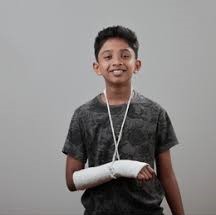
Assam Lifeline Express
In a heartwarming initiative, Dr. Rohit Jain, our pediatric orthopedic surgeon, volunteered his expertise at a free medical camp in a remote village on the border of Assam and Nagaland in the last week of September 2024. This camp was held aboard the Lifeline Express, a unique train that travels to the most underserved parts of India, providing essential healthcare services to those who lack access to modern medical facilities.
Supported by the Impact India Foundation, Indian Railways, and the Health Ministry, the Lifeline Express is a lifeline in the truest sense. During this camp, Dr. Jain examined over 30 children suffering from various bone deformities, including clubfoot. His compassionate care extended beyond consultations, as he performed surgeries on eight children with congenital orthopedic issues, giving them a chance at a better quality of life.
Raigad, Maharashtra Lifeline Express
Lifeline Express is one-of-its-kind train that travels to remote parts of India offering Healthcare services to the people who do not have access to modern healthcare facilities. It is an initiative of Impact India Foundation with support from Indian Railways & Health Ministry. On one such trip in November 2022 to Mangaon in Raigad district, Dr Rohit Jain, pediatric orthopedic doctor, volunteered. He operated on 10 children with congenital ortho problems such as clubfoot and other problems.
Baby Swaddling technique
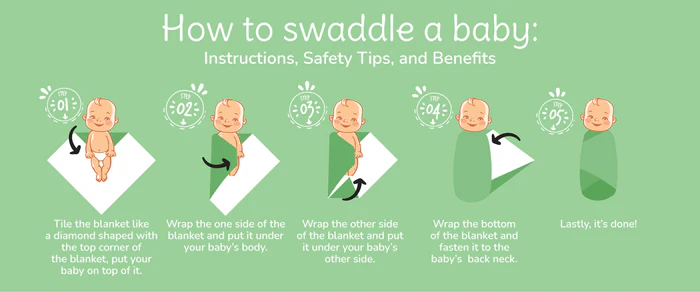
Dr Rohit Jain, Pediatric Orthopedic demonstrates the correct technique for wrapping babies (Swaddling). He warns that pulling the legs while wrapping, increases the risk of hip dislocation and hip dysplasia leading to hip problems in future. Spread this message and help new mothers learn the correct technique of wrapping babies.
Clubfoot awareness day camp
Celebrating World Clubfoot Day, with Free Consultation from Dr Rohit Jain, Pediatric Orthopedic Doctor in Kalyan On June 3, 2024, Myra Superspeciality Clinic opened its doors with a warm embrace for children born with clubfoot—a congenital challenge that touches both hearts and tiny feet. Dr. Rohit Jain, our orthopedic doctor, stood ready to listen, to heal, and to guide. In the soft glow of the clinic, parents arrived, carrying their precious bundles—each foot a testament to resilience. Dr. Jain, with gentle hands and a reassuring smile, examined ten little souls. His eyes held hope, and his words carried the promise of possibility. "Your child," he said, "can walk, run, play, and dance." The room echoed with stories—their beginnings marked by anomaly scans, where clubfoot revealed itself even before birth. Parents leaned in, eager to learn. "Start early," Dr. Jain emphasized. "Don't wait. Begin the journey toward healing from the very first breath." Surgery? Rarely needed. Instead, the Ponsetti method, like a loving whisper, coaxes the foot into its rightful shape. And so, on this World Clubfoot Day, we celebrated more than medical expertise. We celebrated resilience, love, and the belief that every step taken is a step toward a brighter future. To the parents who walked through our doors, we offered not just consultations but hope—a promise that their child's path, though unique, leads to joy, laughter, and the freedom to explore.
The first step-A baby’s triumph over clubfoot
During a routine anomaly scan at 5 months pregnancy, a young couple received an unsettling news that their unborn baby had clubfoot. Their heart sank with worry. Soon after their baby is born, they visited Dr. Rohit Jain, a skilled pediatric orthopedic surgeon in Kalyan. With weekly visits, plaster changes, and special shoes worn day and night, the baby's foot gradually aligned. The couple, healthcare professionals themselves, remained hopeful yet uncertain. As time passed, the baby's tiny foot gave hope and joy, a testament to Dr. Jain's expertise and their unwavering faith. Their journey against clubfoot continues, offering hope to others in similar situations.
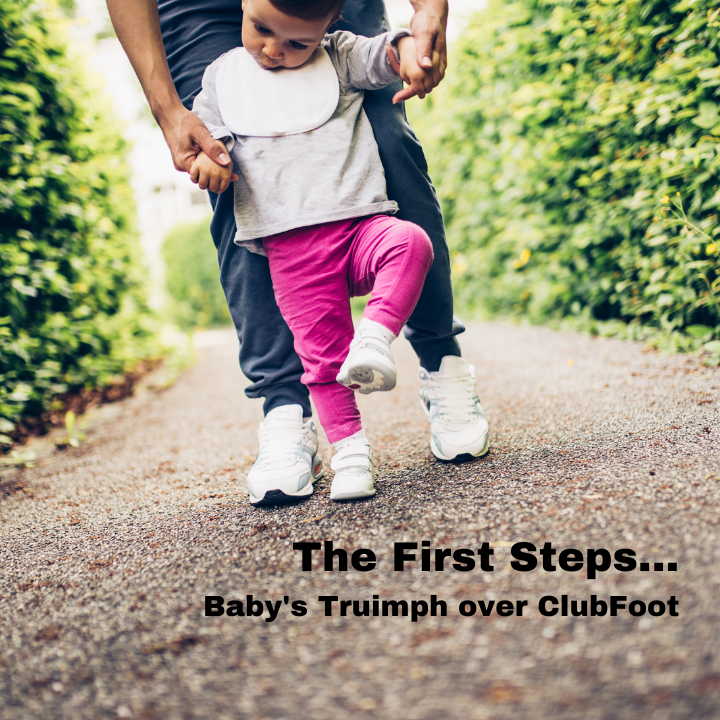
The first baby steps- a grandfather’s love and a granddaughter’s triumph over clubfoot
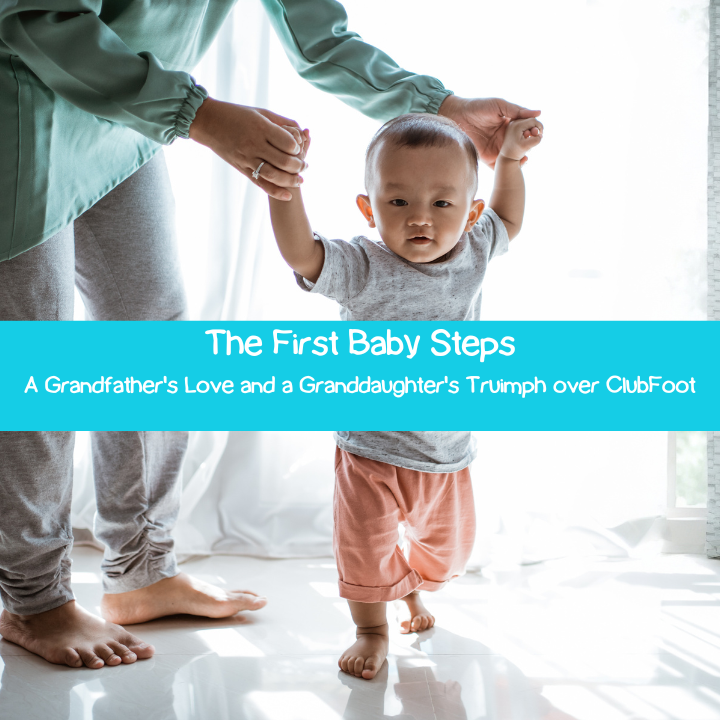
On the outskirts of Mumbai, in Kalyan, a couple welcomed their first child, a beautiful baby girl, into the world. However, their joy was tinged with worry as they discovered a slight defect in her left foot. Compounding their distress, the baby was hospitalized for jaundice soon after birth. Seeking solace and expert care, they turned to Dr. Rohit Jain, a well-known pediatric orthopedic surgeon at the Myra Superspeciality Clinic.
With a reassuring smile, Dr. Rohit Jain patiently explained the treatment plan and instilled hope in the couple's hearts. Every week, they brought their little bundle of joy, just 15 days old, to the clinic for plastering sessions aimed at straightening her twisted foot. It was heart-wrenching to witness the baby's pain, but the couple stayed strong, knowing that each session brought them closer to their baby's recovery.
After seven sessions, a minor procedure was performed to cut the tendon, followed by a fresh plaster cast. The casts were changed monthly, and as time passed, their precious baby donned special shoes that cradled her tiny feet. Today, on her birthday, her grandfather, visiting her at Ichalkaranji, a small town in Maharashtra, shares his emotions, saying, "Seeing her overcome every obstacle with a smile on her face fills my heart with immeasurable joy. She's a fighter, a true inspiration."
Club foot, though initially a cause for concern, can be corrected with early diagnosis and treatment, as Dr. Jain expertly guided this family. He assures them that their baby will lead a normal life, free from walking difficulties or gait problems. The journey is not yet complete, as the baby will continue wearing special shoes for two more years to ensure her full recovery from club foot.
Today, as this little one celebrates her birthday, surrounded by love and hope, she stands on the threshold of a new milestone—taking her first steps. The triumph over club foot is not just a medical success story, but a testament to the power of love, perseverance, and the dedicated care of Dr. Rohit Jain.
Alisha’s success story -victory over knock knees
Meet Alisha, a brave 14-year-old girl who faced knock knees with unwavering determination. Her parents, worried about her future, consulted Dr. Rohit Jain, a well-known pediatric orthopedic surgeon.
Within a month of their first visit, in May 2022, Alisha underwent the first surgery to correct one of her knees. The procedure was a success, and the family's hope soared. In November of the same year, Dr Rohit Jain operated on her second knee, and soon, Alisha began her road to recovery.
The journey to complete recovery wasn't without challenges. Alisha dedicated herself to physiotherapy for the next six months to strengthen her knee muscles. It required determination and perseverance, but Alisha faced each session with a brave heart. Today, she walks confidently, leaving behind the pain and limping. With newfound confidence and aspirations, she can run, play, and dance like any other teenager. Her dreams now know no bounds, and she envisions soaring to new heights in the future. Dr. Jain's expertise transformed her life, allowing Alisha to chase her dreams...